
The city of Pinara is located on the eastern slopes of the southern Antikragos Mountains (Baba Dağı), east of the Gulf of Fethiye, overlooking the Xanthos Valley. The settlement was constructed on a series of terraces ranging in elevation from approximately 330 m to 715 m. It is bordered by Xanthos to the south and Tlos to the northeast. The Lycian name of the city was Pinale (or Pilleñni).
Pinara is only rarely mentioned in ancient literary sources. The site was first identified in the modern period by Charles Fellows. As no systematic excavations have yet been conducted, the earliest archaeological remains currently known date to the Dynastic period. However, the city is clearly much older, as its name appears as Pinali in Hittite texts of the 13th century BCE. Coins bearing the name of the city are known from the Dynastic period, and Pinara was also among the earliest cities to issue coinage under the name of the Lycian League in the 2nd century BCE.
In the Roman period, as noted by Strabo, Pinara was one of the six principal cities of the Lycian League, each holding three votes. In later periods, however, it lost this privileged status to Telmessos, which rose in prominence due to its large harbor. Pinara continued to function as a bishopric center from the Byzantine period until the 12th century.
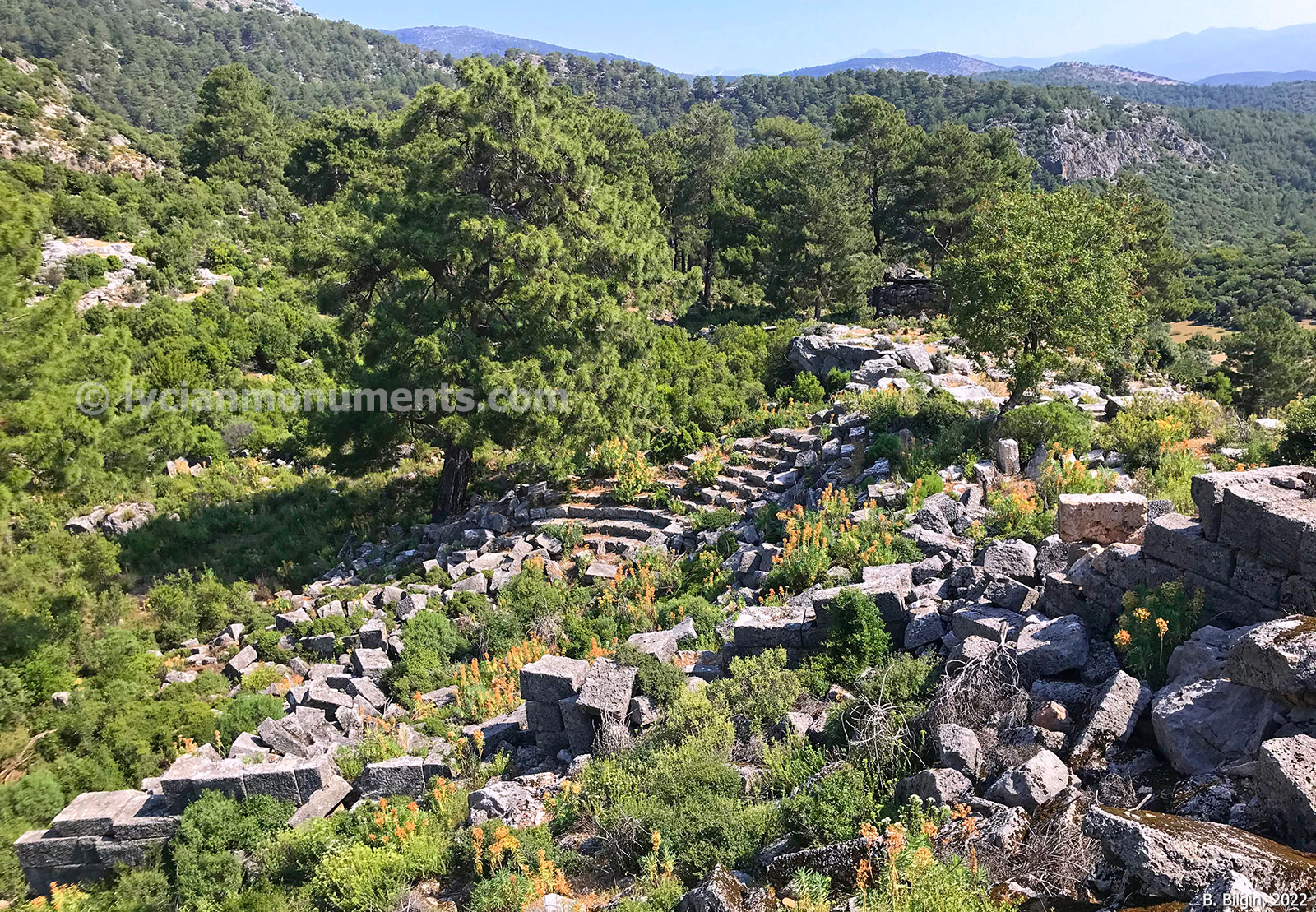
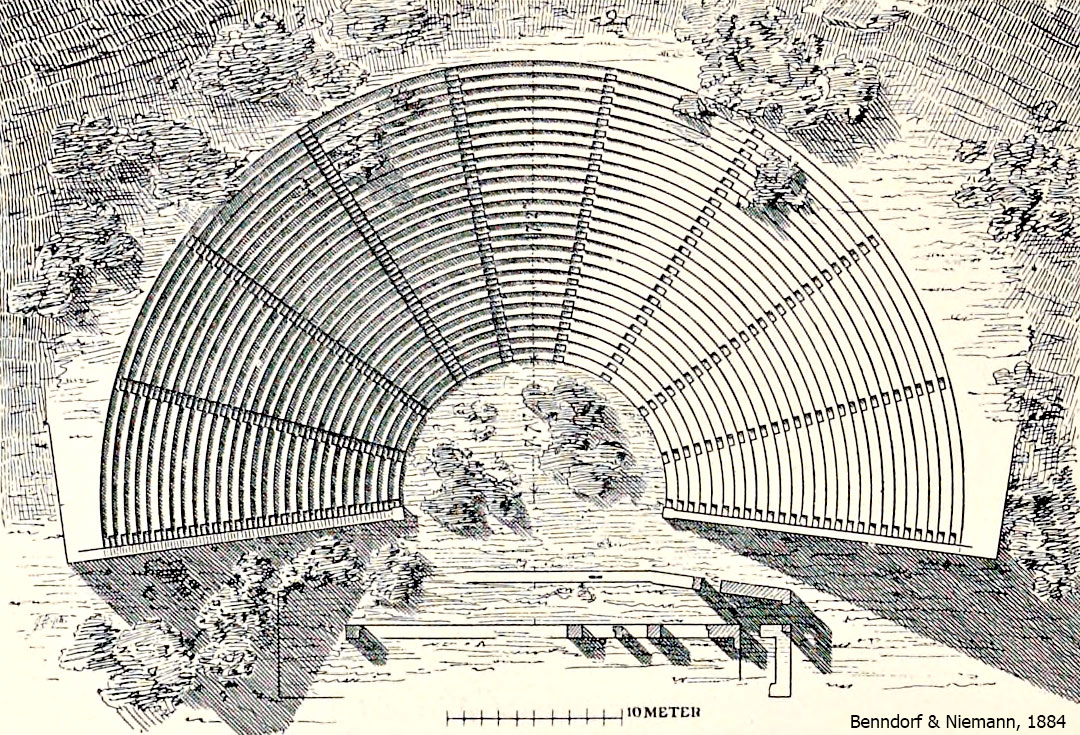
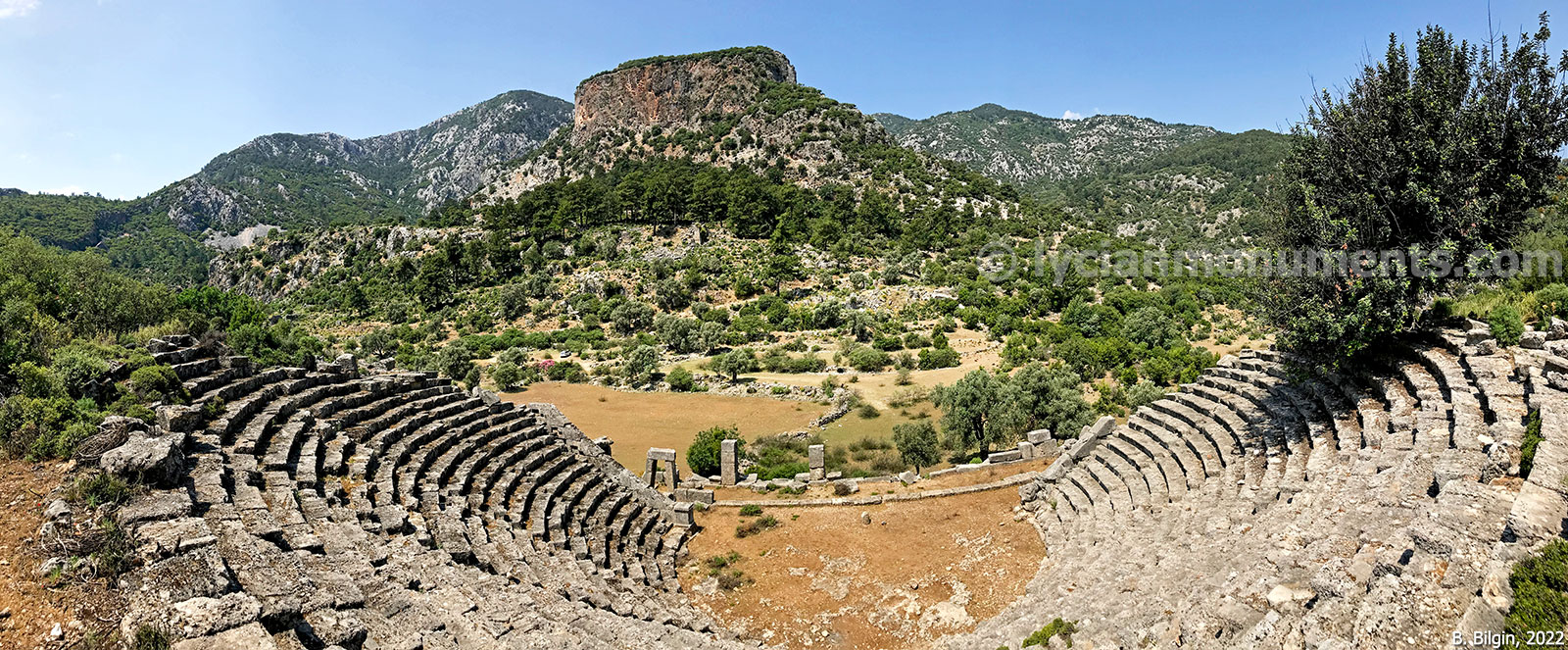
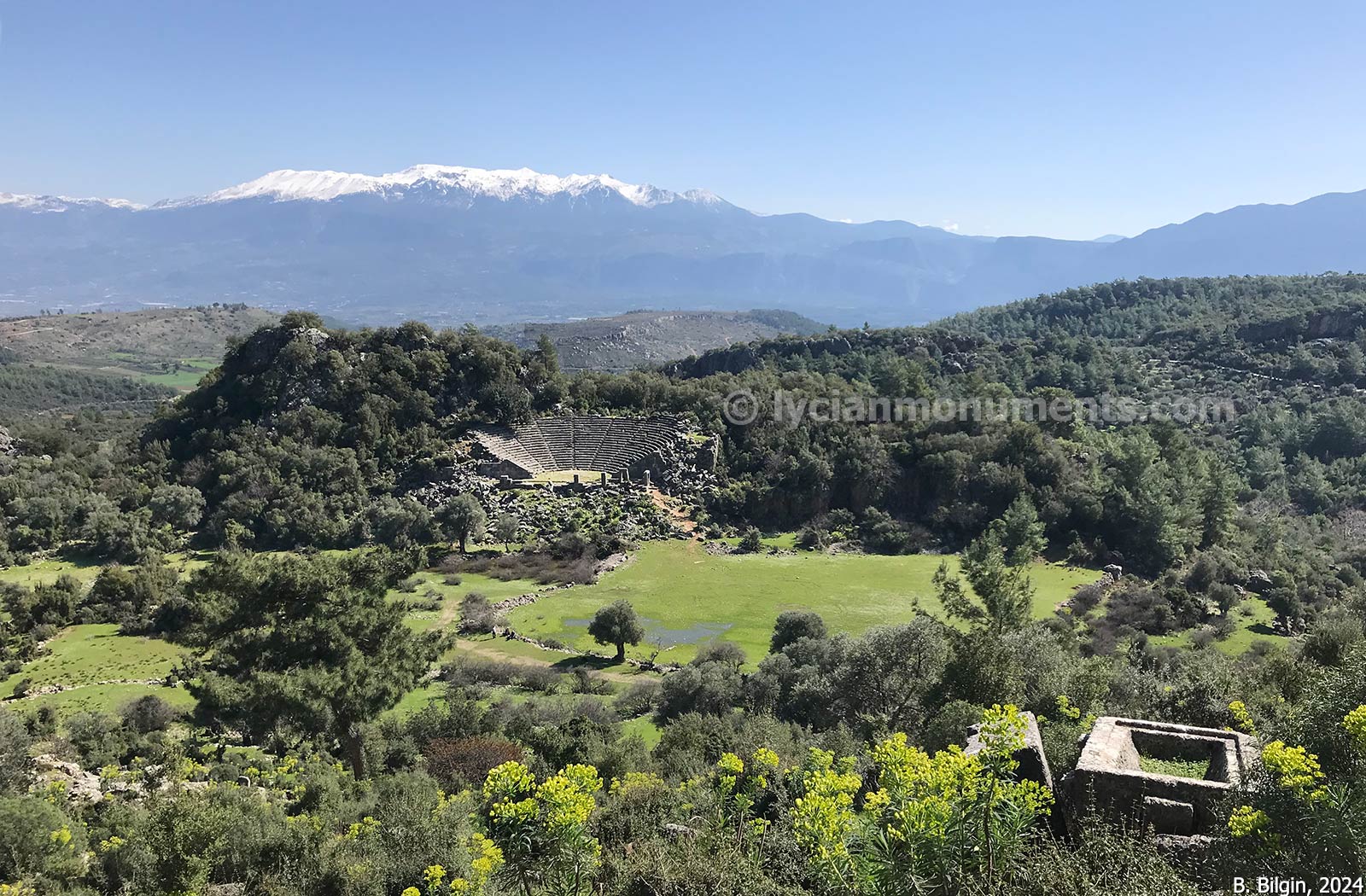
Apart from the fortification walls on the upper acropolis—situated on steep slopes—no Hellenistic structures have been identified in the city. The upper acropolis itself preserves only limited architectural remains. Roman-period construction is concentrated on the lower slopes to the east of this steep hill. With the exception of the tombs, all visible remains—such as the bouleuterion, temple, agora, and baths—date to the Roman and Byzantine periods. The Roman theater, with a capacity of approximately 3,200 spectators, is situated on the opposite slope of the plain below the lower acropolis.
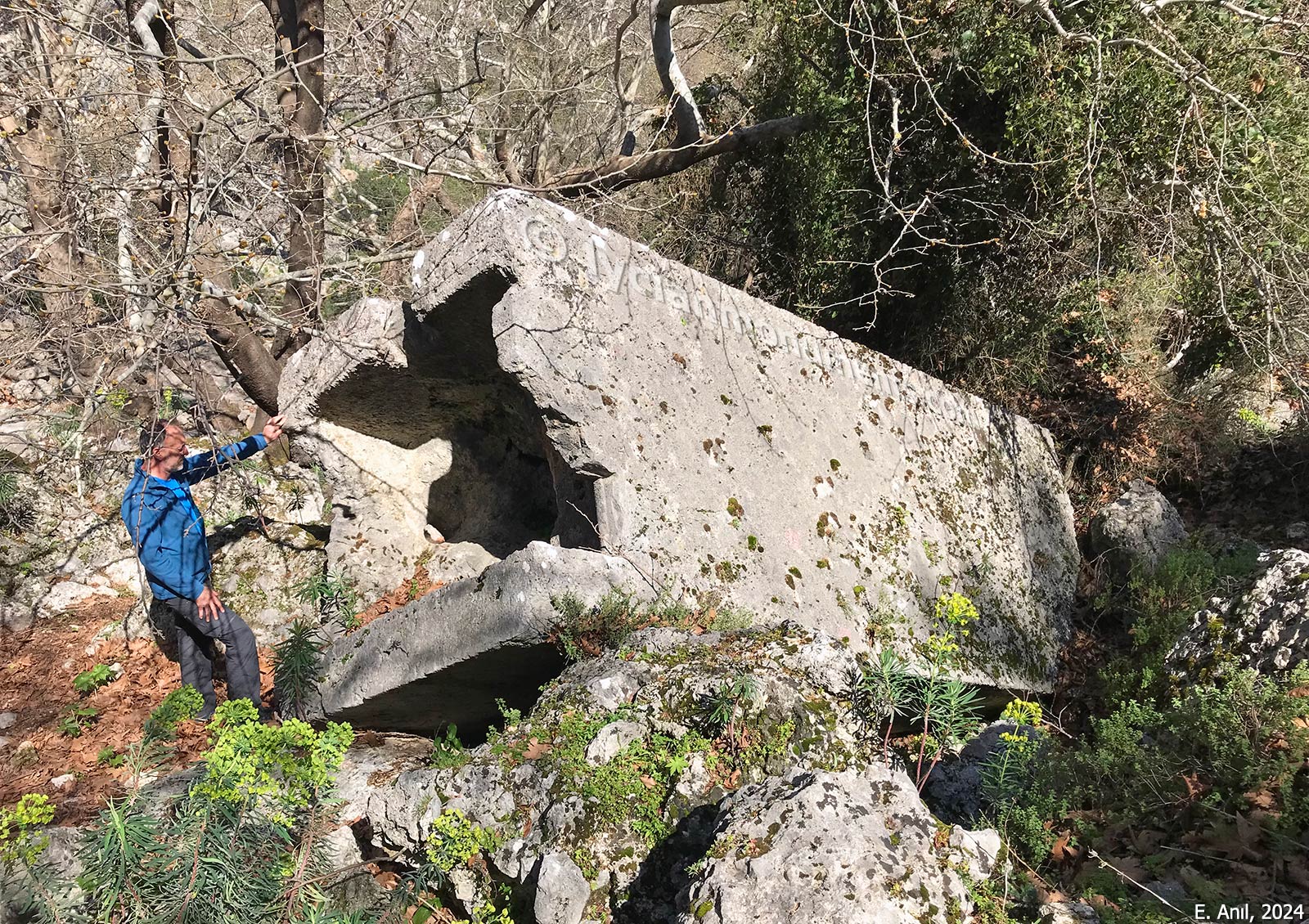
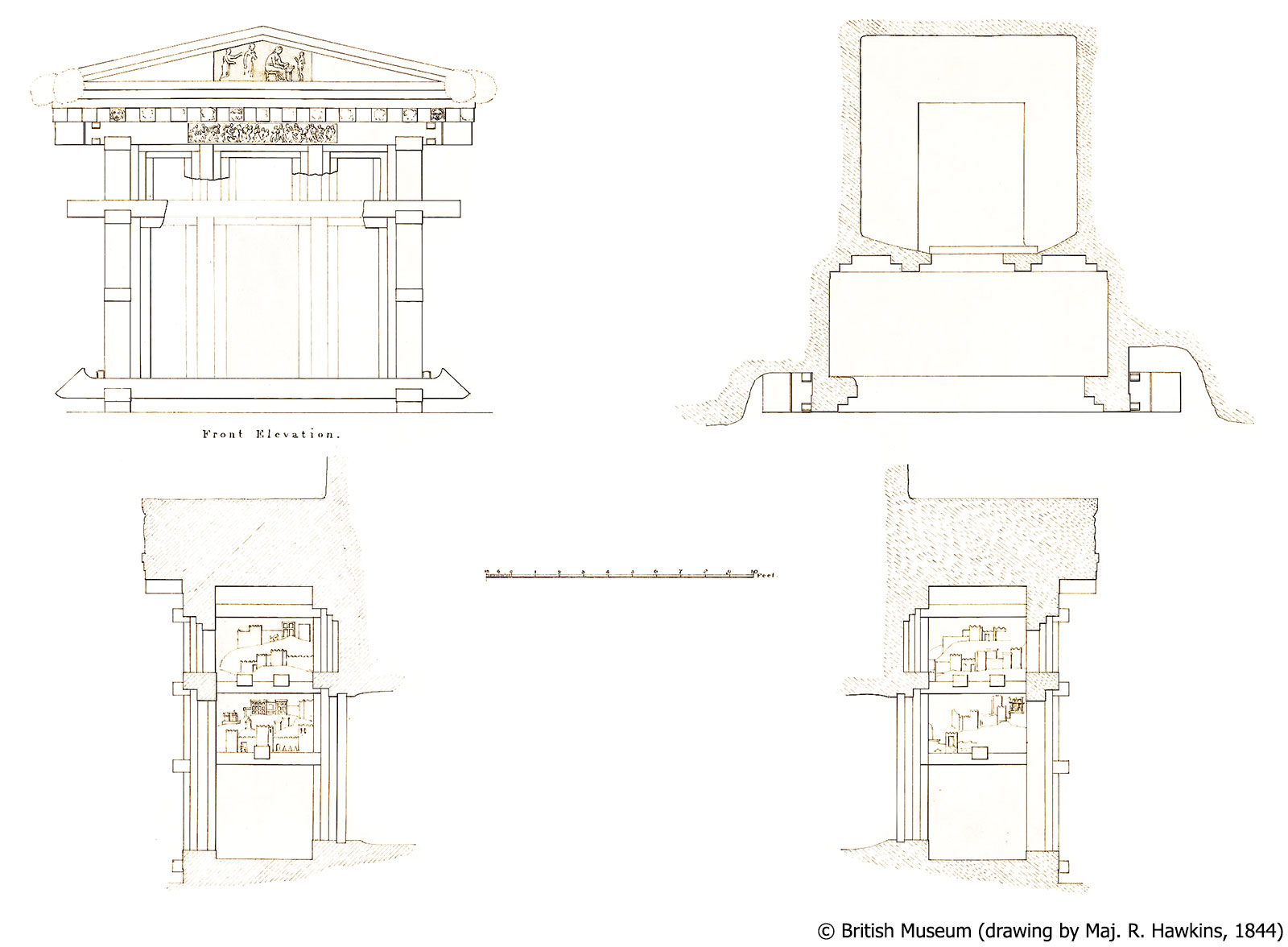
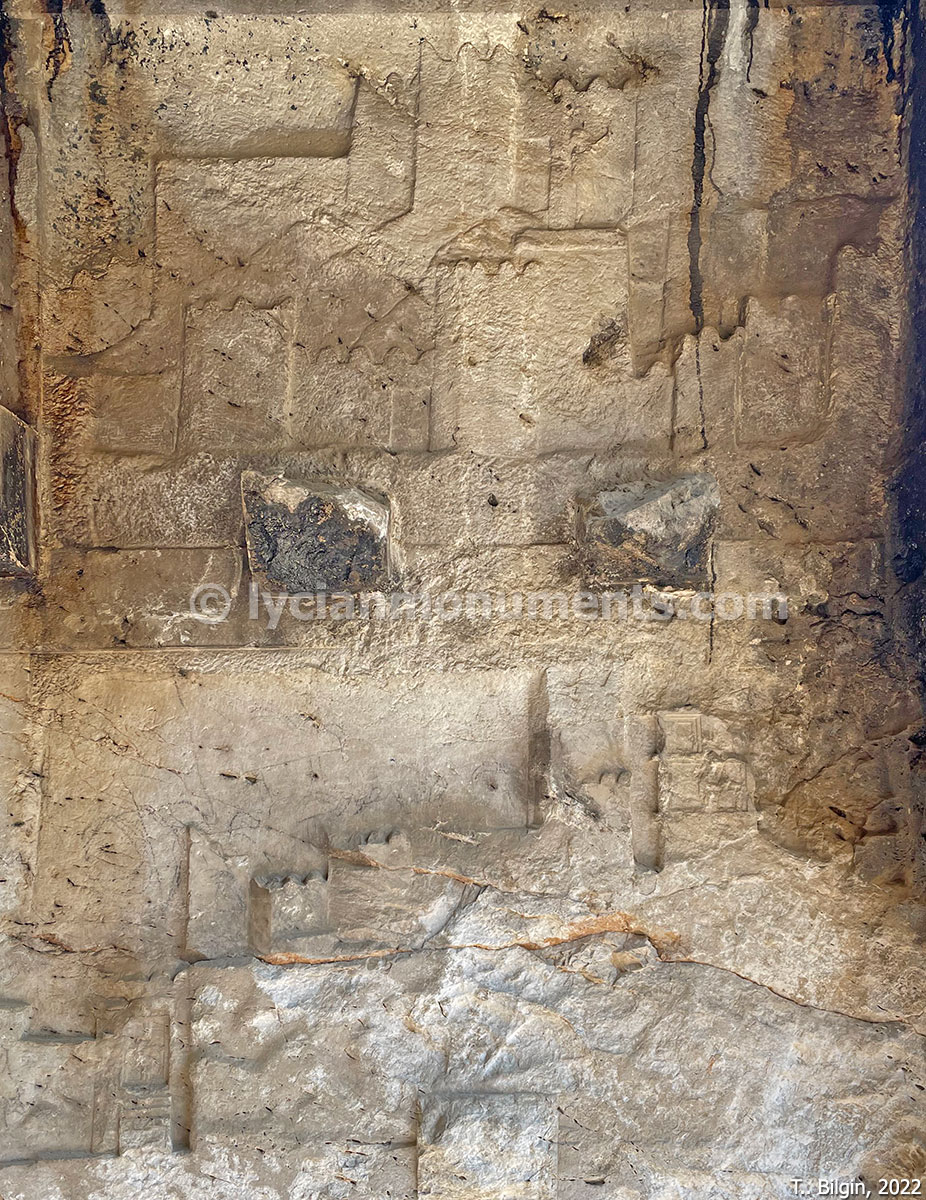
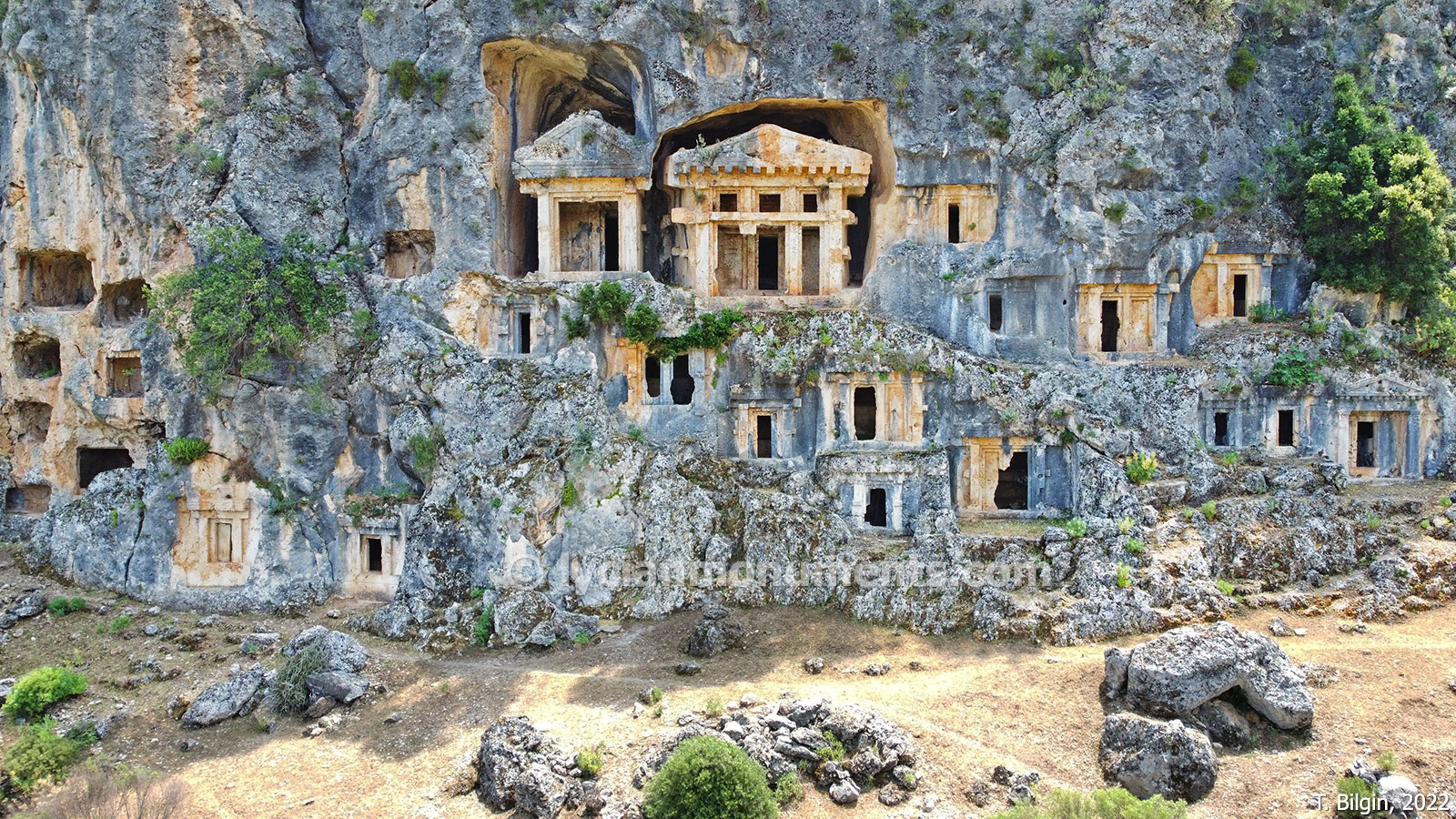
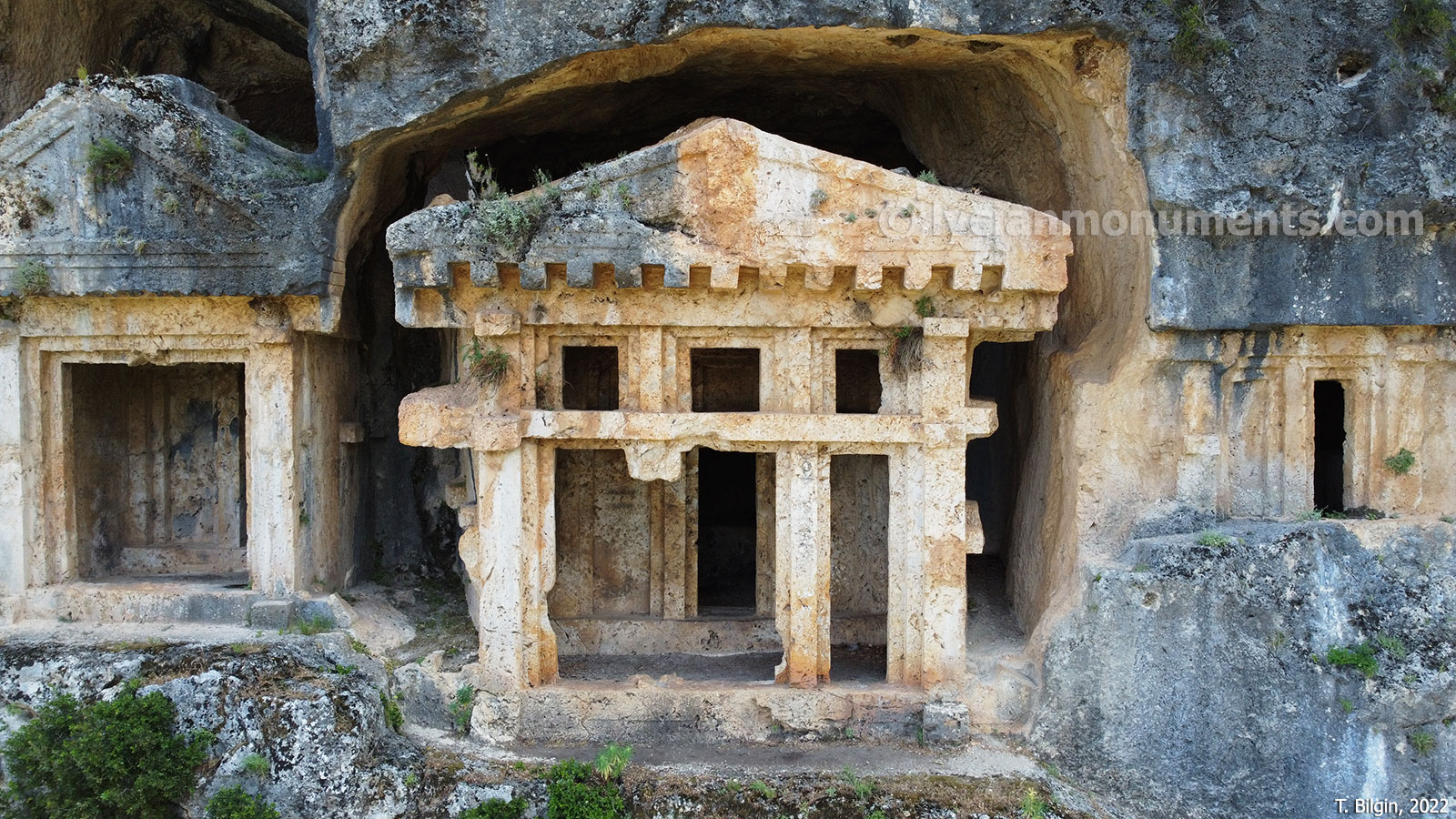
The most striking features of the city are its tombs. Pinara preserves examples of nearly all types of Lycian funerary architecture. Hundreds of pigeonhole-type rock-cut tombs cover the steep slopes of the upper acropolis. Some of the finest examples of house-type rock-cut tombs imitating wooden architecture in Lycia are found on the cliffs surrounding the city, and around a dozen of these bear Lycian inscriptions. One particular rock-cut tomb stands out for its wall reliefs depicting the city of Pinara, offering valuable insights into its urban layout during the Dynastic period. In addition, there are pillar tombs dating to the Dynastic period and sarcophagus tombs from various later periods.


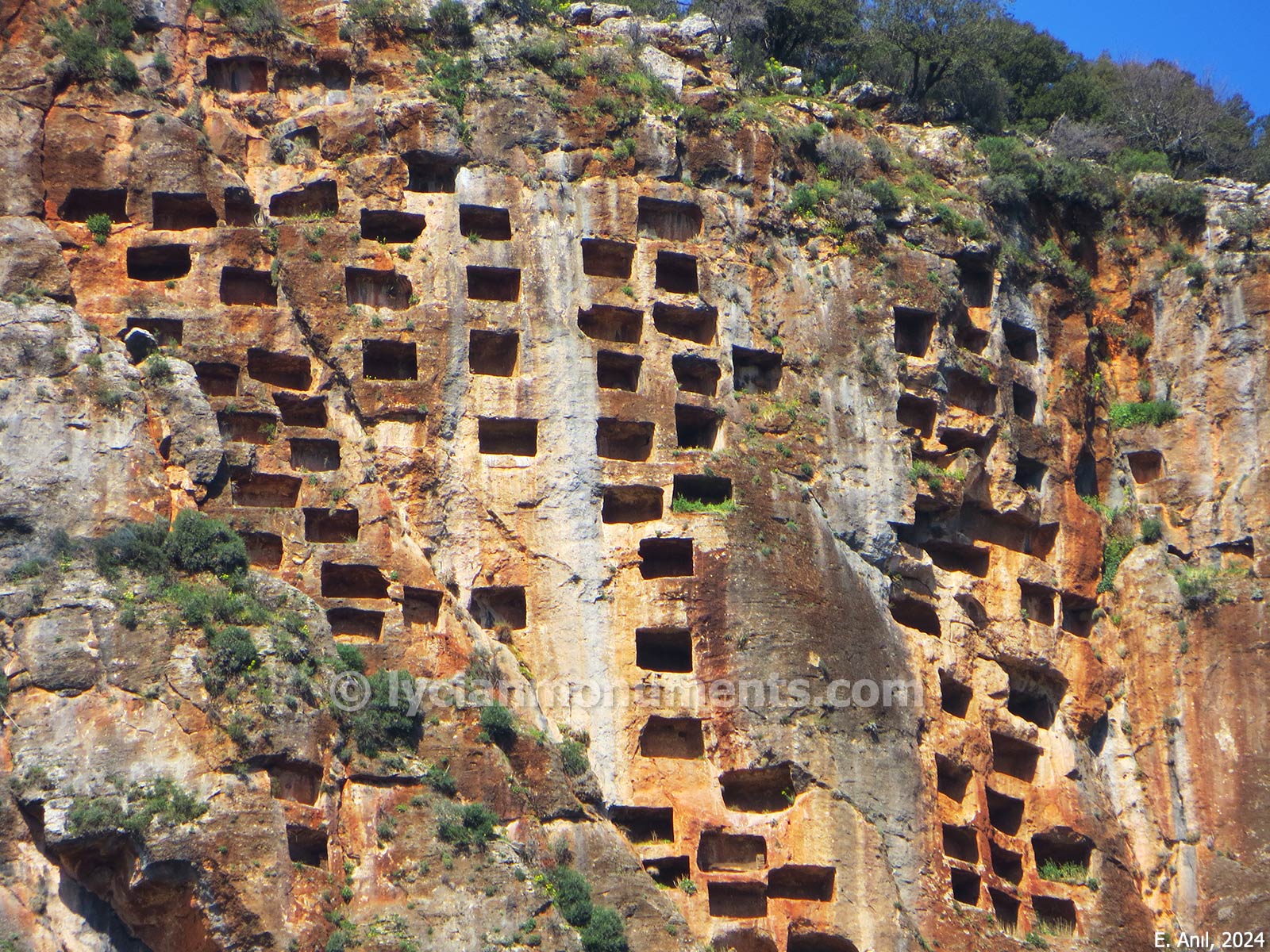


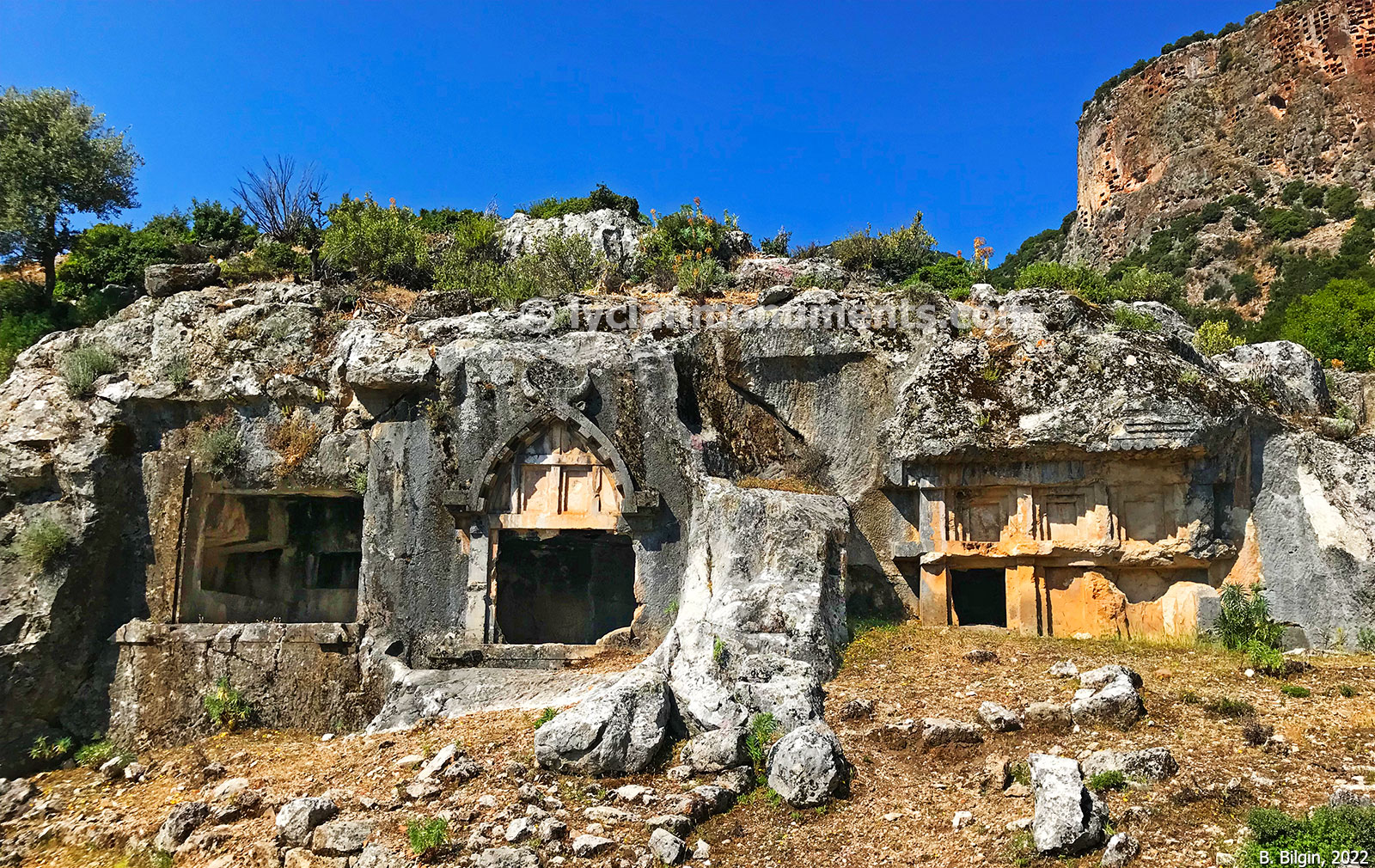


Creek Necropolis of Pinara


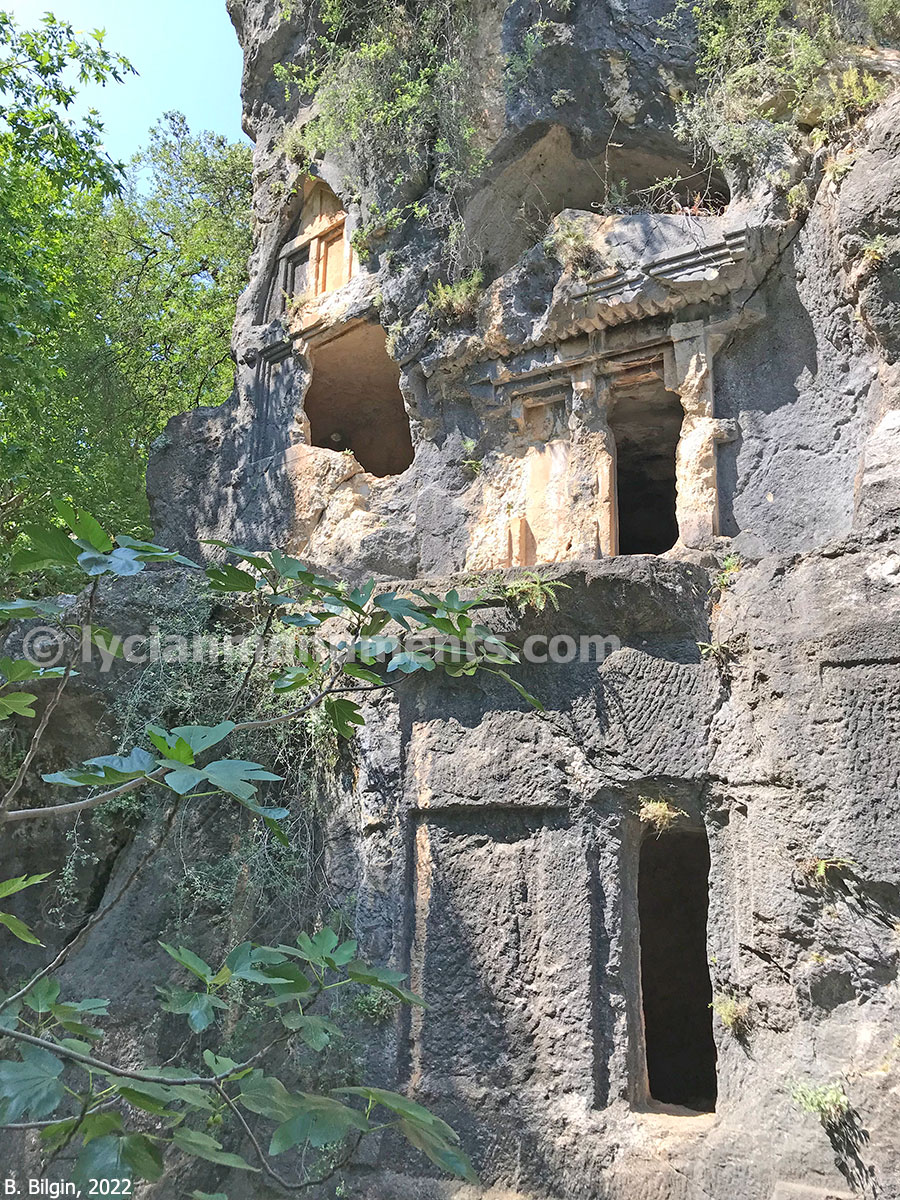


Rock-Cut Tomb with Reliefs




Southern Necropolis of Pinara




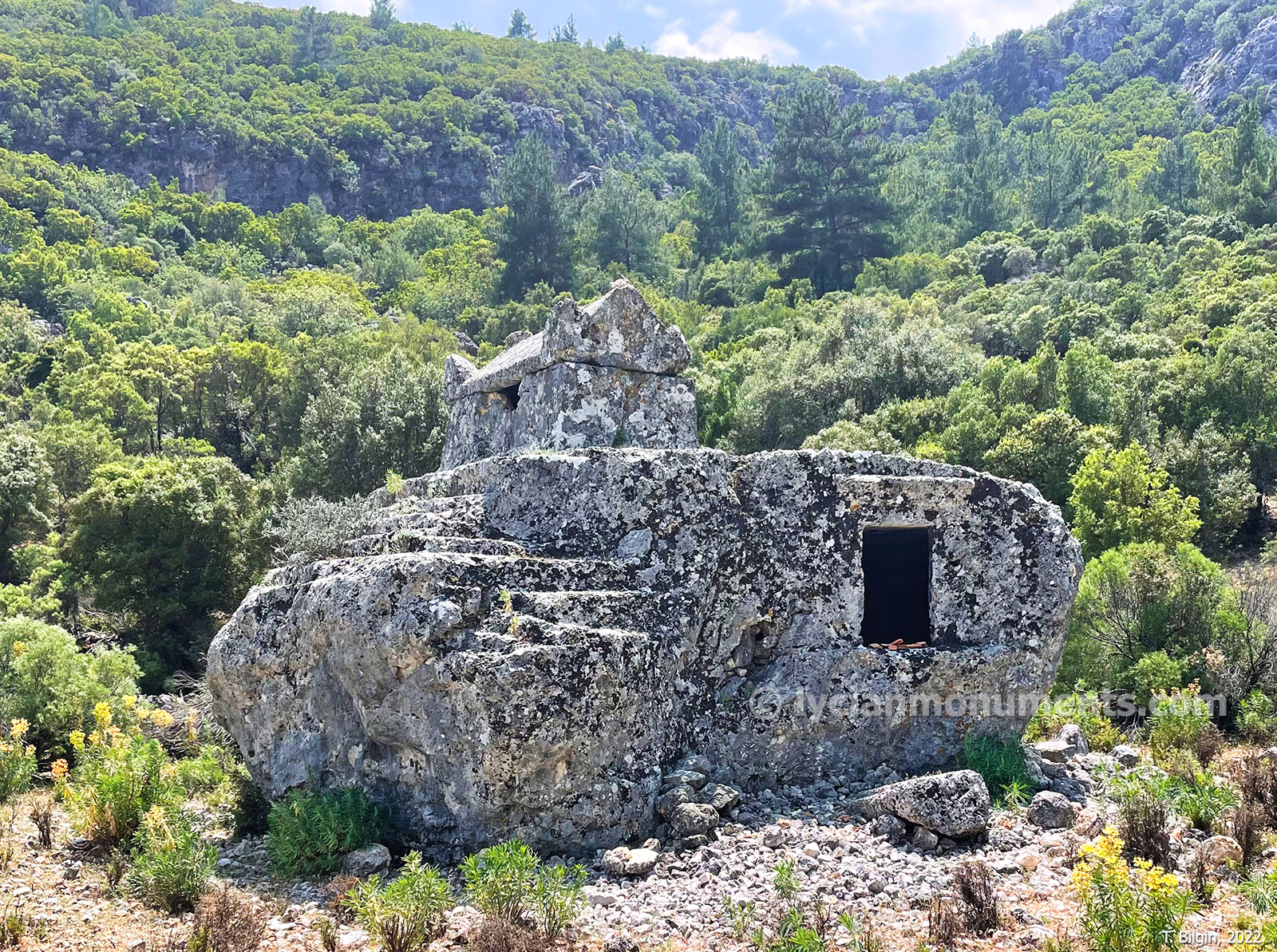
Sarcophagus of Ddapssm̃ma


Pinara Theater



Kaynaklar:
Benndorf, O. & G. Niemann. 1884. Reisen in Lykien und Karien (Reisen im südwestlichen Kleinasien I), Wien.
Çevik, N. 2021. Lykia Kitabı: Arkeolojisi, Tarihi ve Kültürüyle Batı Antalya, Türk Tarih Kurumu, Ankara.
Fellows, C. 1847. Lycia, Caria, Lydia, illustrated Mr. George Scharf with descriptive letter-press by Sir Charles Fellows, London.
Tietz, W. 2016. “Central Lycia: Kyaneai, Phellos, Kekova,” in From Lukka to Lycia: The Land of Sarpedon and St. Nicholas, eds. H. İşkan & E. Dündar, 362–373, İstanbul.
Wurster, W. W. 1980. “Survey antiker Stadte in Lykien,” Actes du Colloque sur la Lycie antique, 27–36.
Wurster, W. W. & M. Wörle, 1978. “Die Stadt Pinara,” AA 1978, 74–99.
Görseller:
O. Benndorf & G. Niemann, 1884
C. Fellows, 1847
W. W. Wurster & M. Wörle, 1978
W. W. Wurster, 1980
British Museum
Tayfun Bilgin, 2022
Ertuğrul Anıl, 2024
Bora Bilgin, 2022, 2024