
Tüse is most likely a Dynastic-period settlement located within the territory of Kyaneai. The remains lie approximately 6 km northwest of Kyaneai, on the mountain range separating the small Sarılar plain to the southeast from the larger and more fertile Kasaba plain to the northwest.
The site was first mentioned in written sources by Spratt and Forbes, who recorded the name Tüse based on local usage. The ancient name of the settlement, however, remains unknown. According to evidence from tomb inscriptions, Tüse was under the administration of Kyaneai during the Hellenistic period.
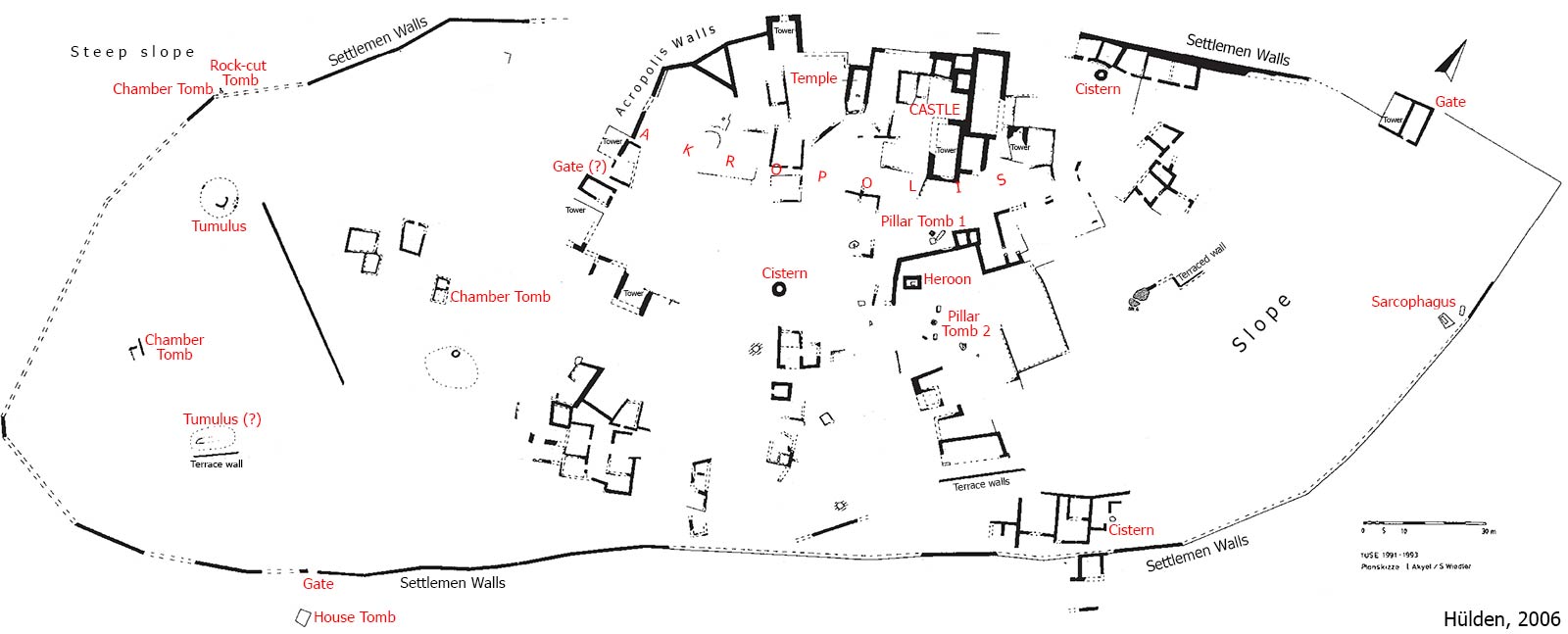
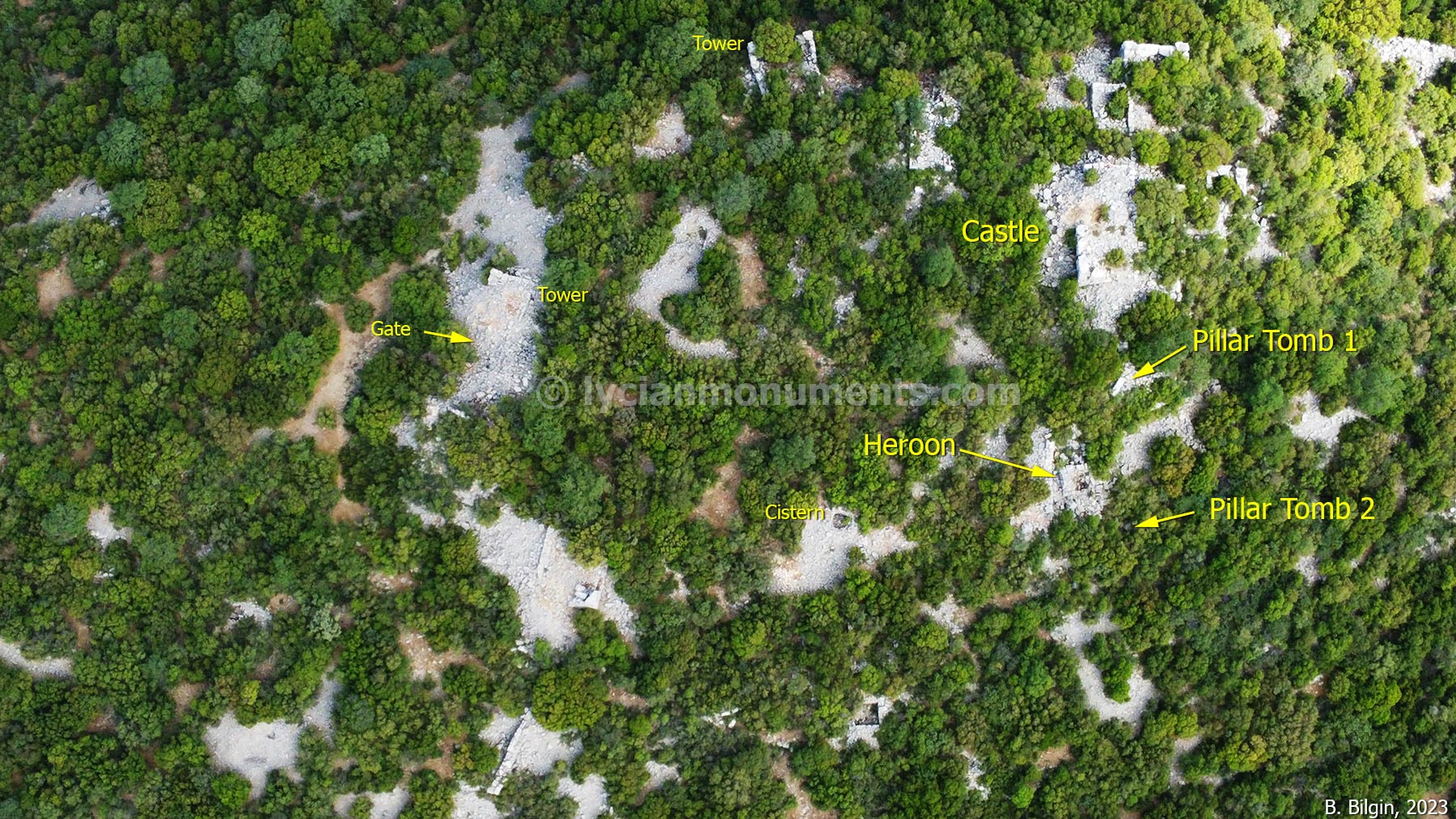
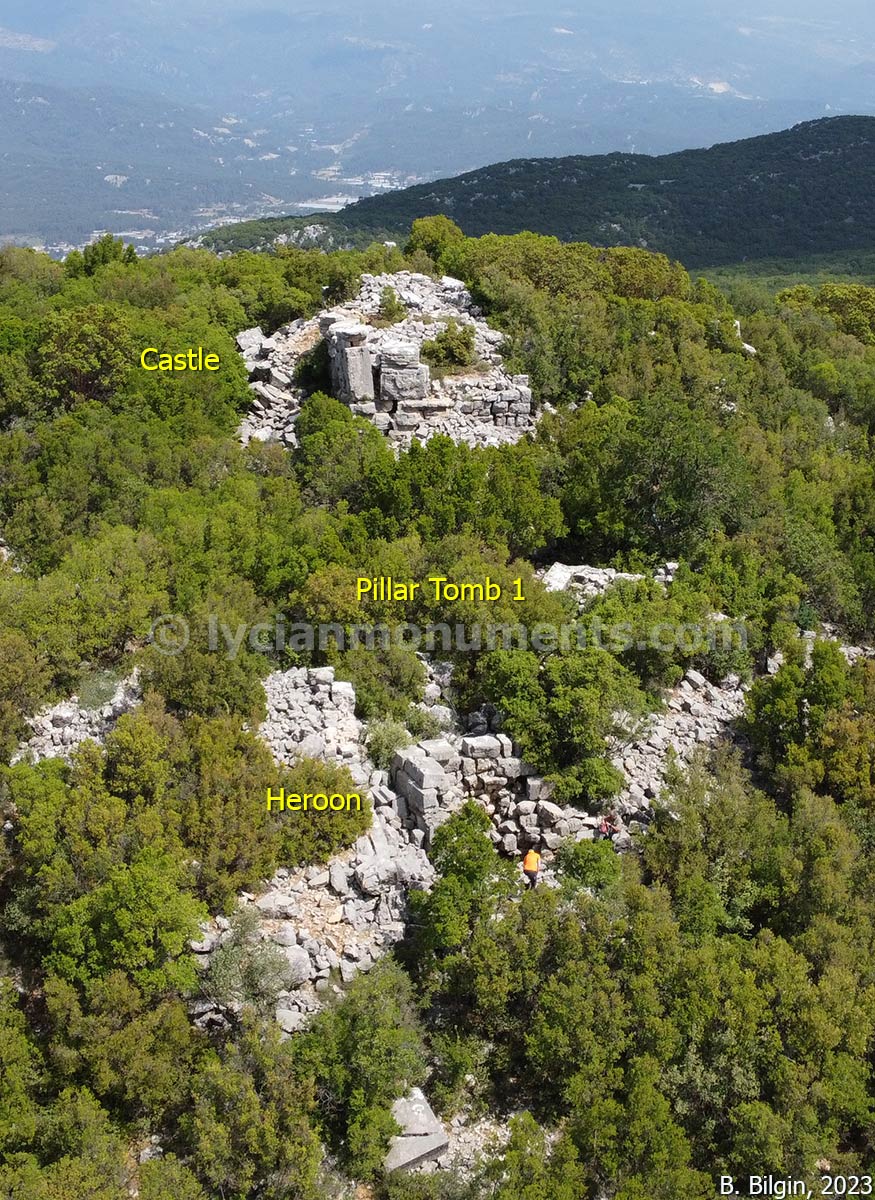
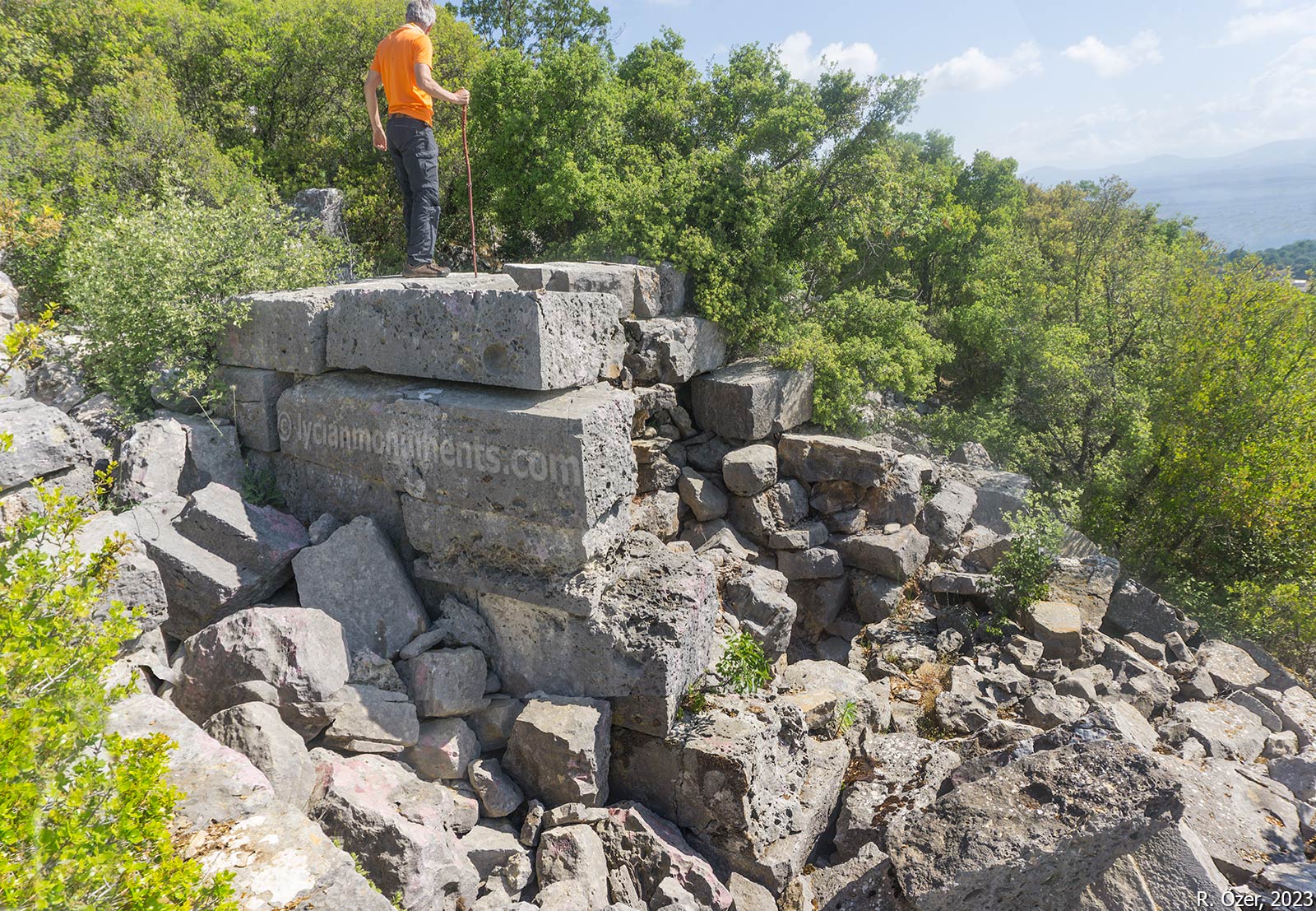
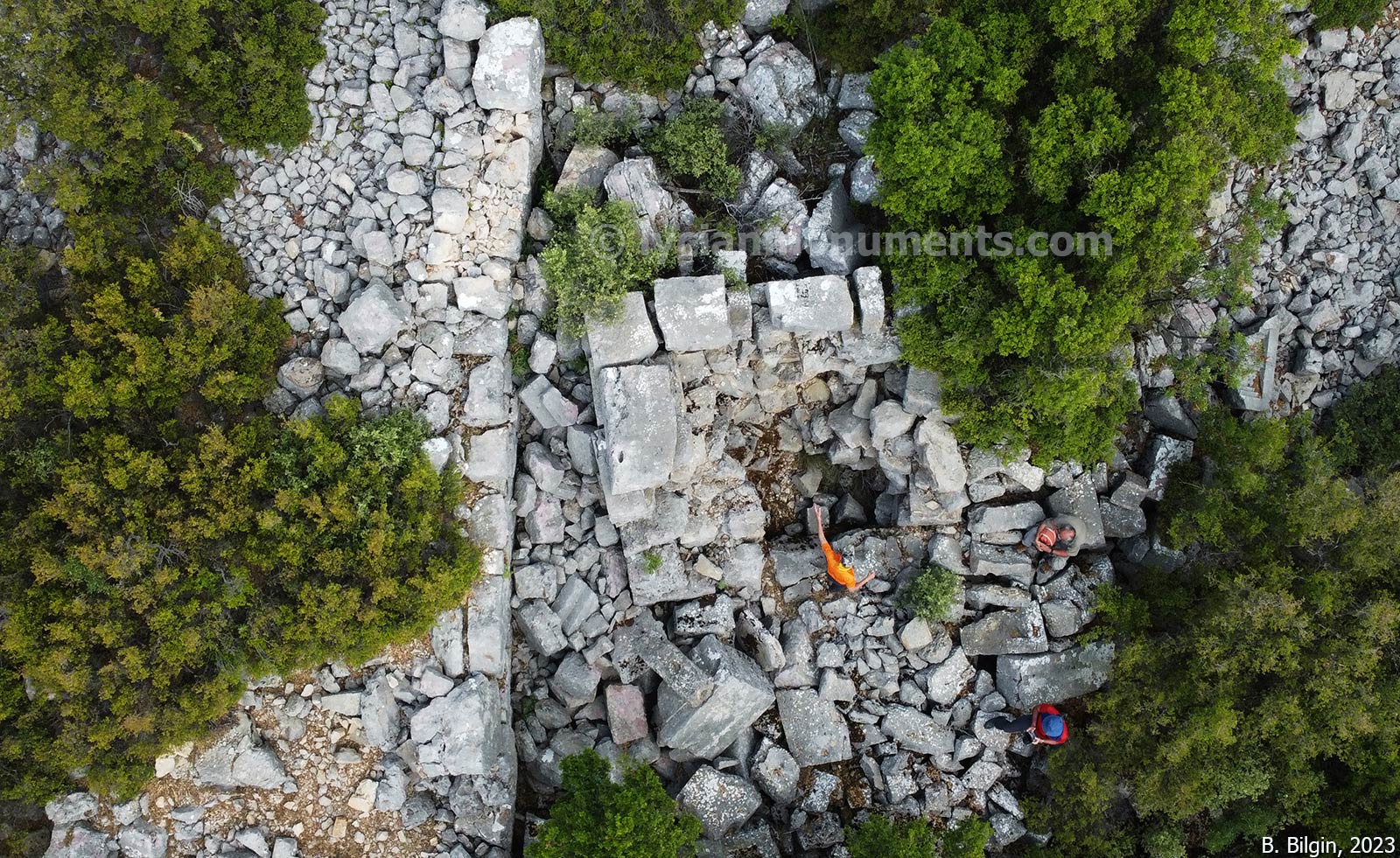
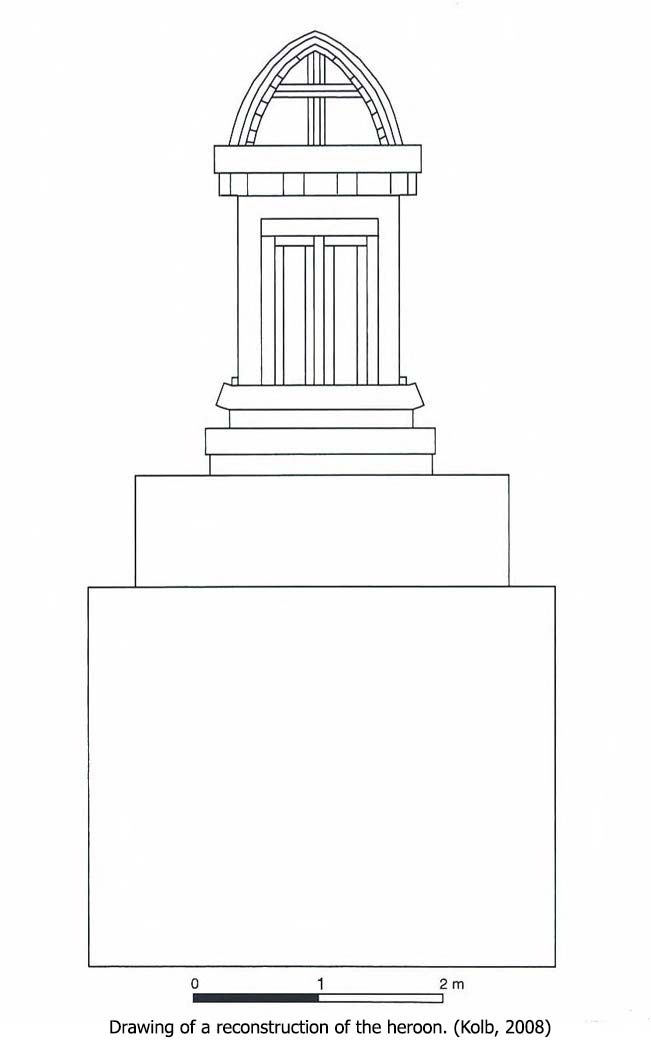
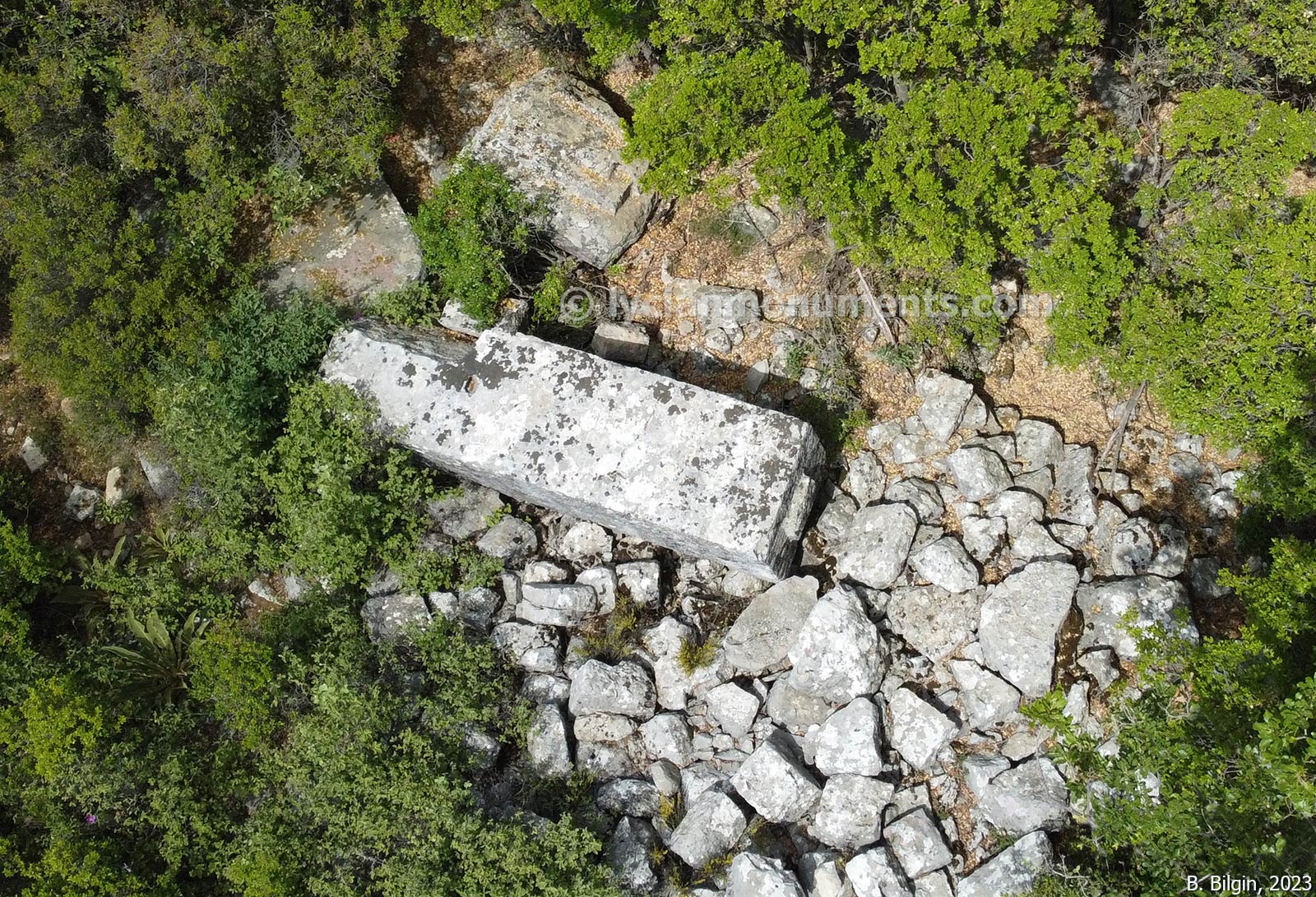
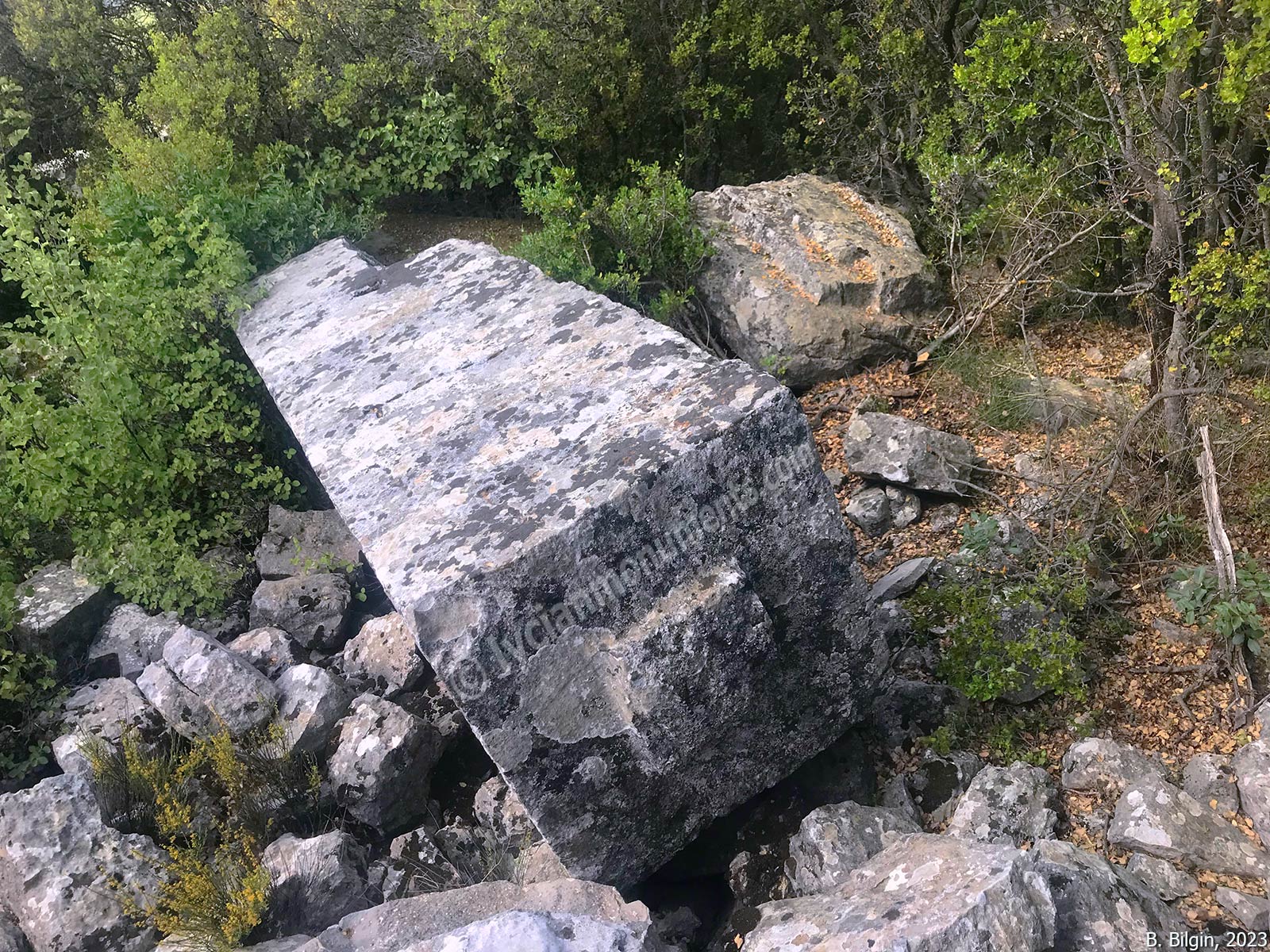
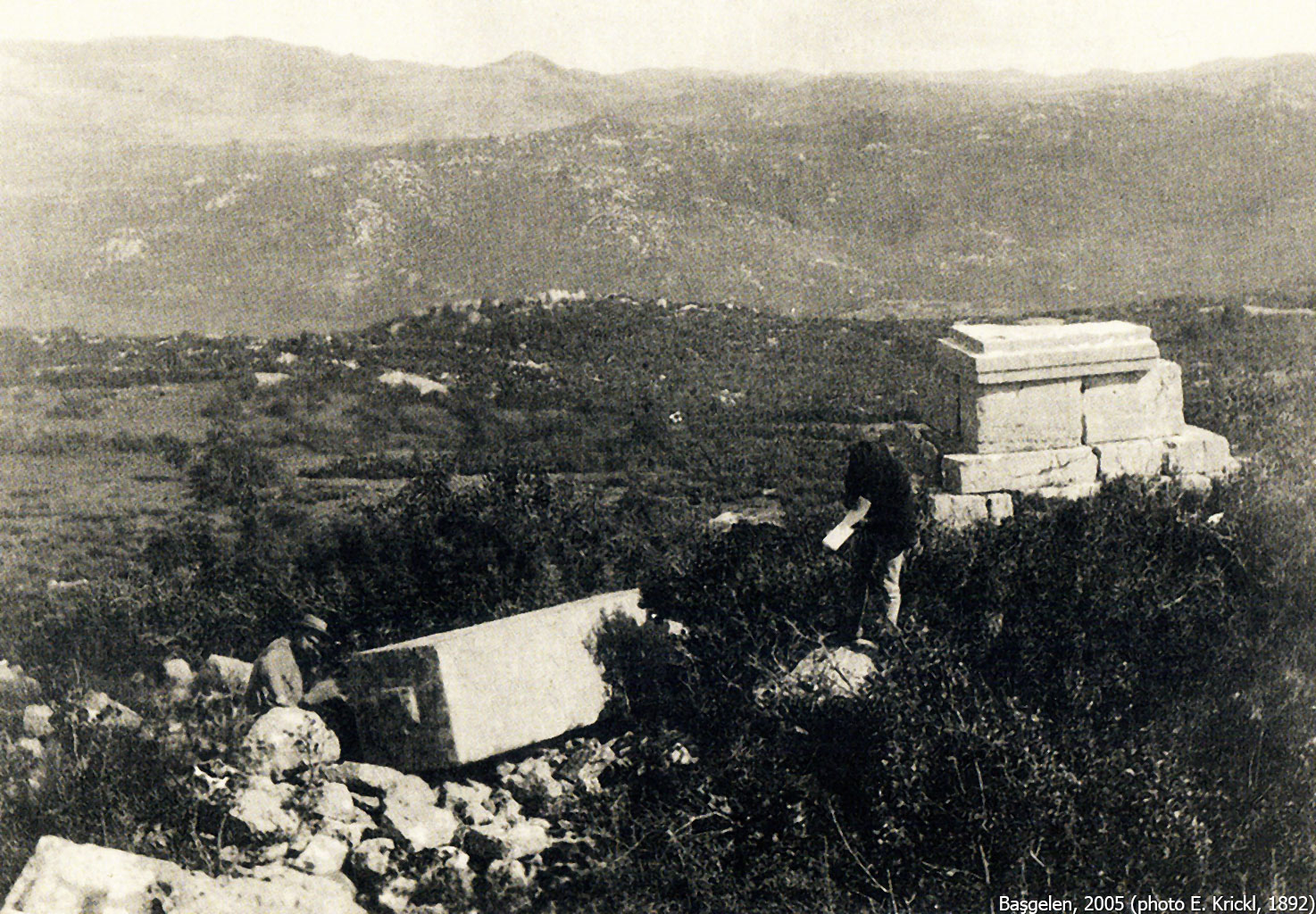
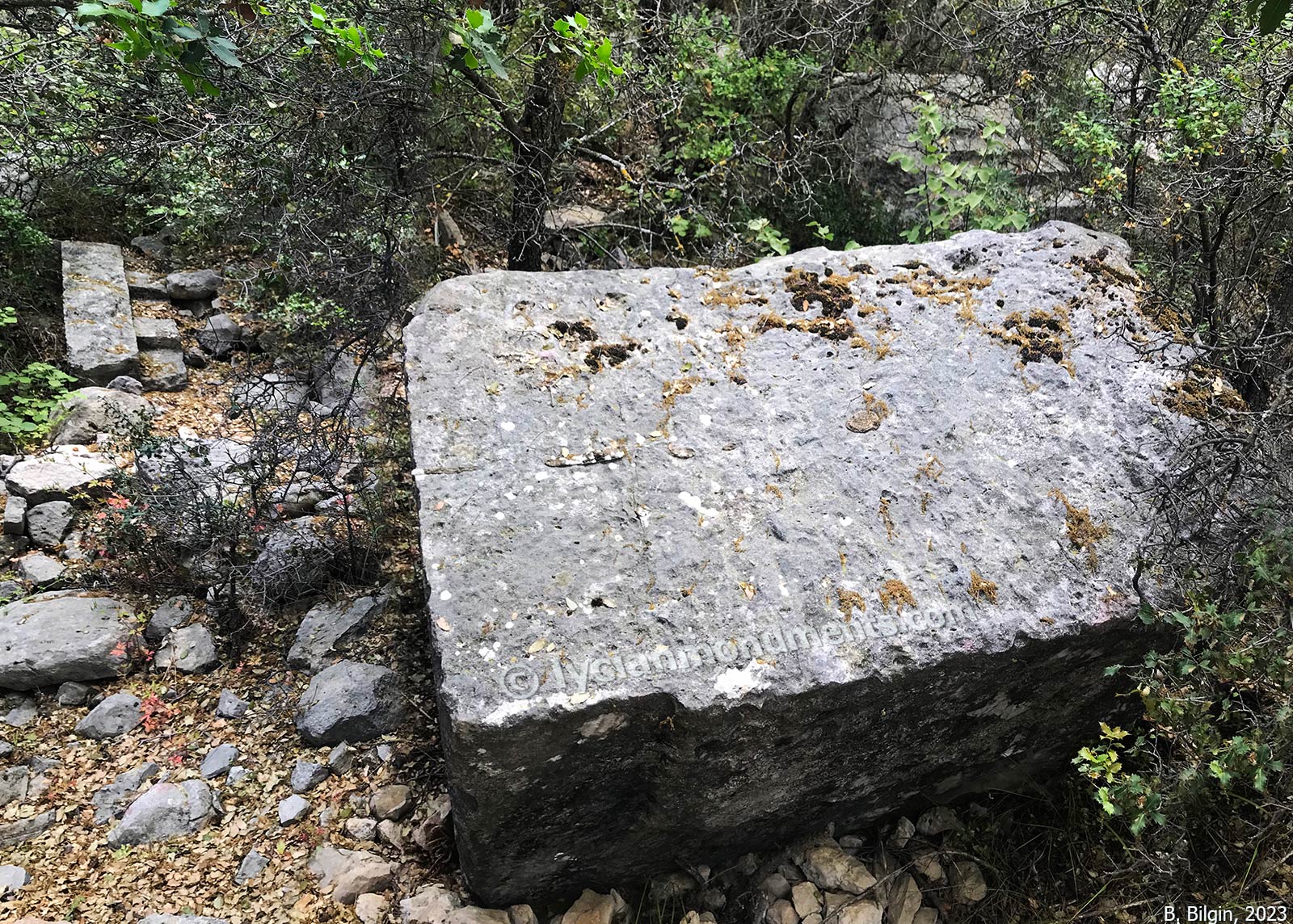
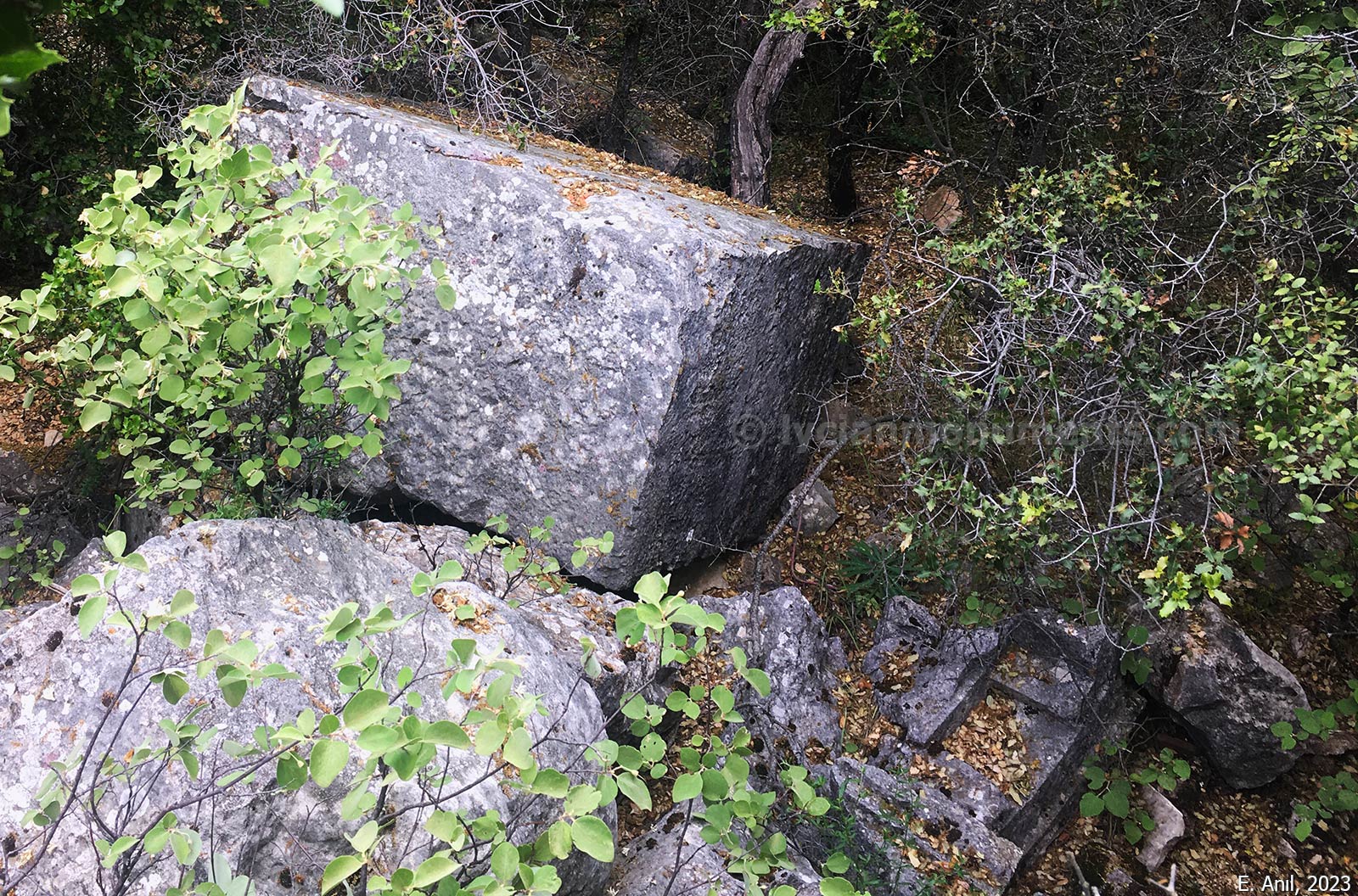
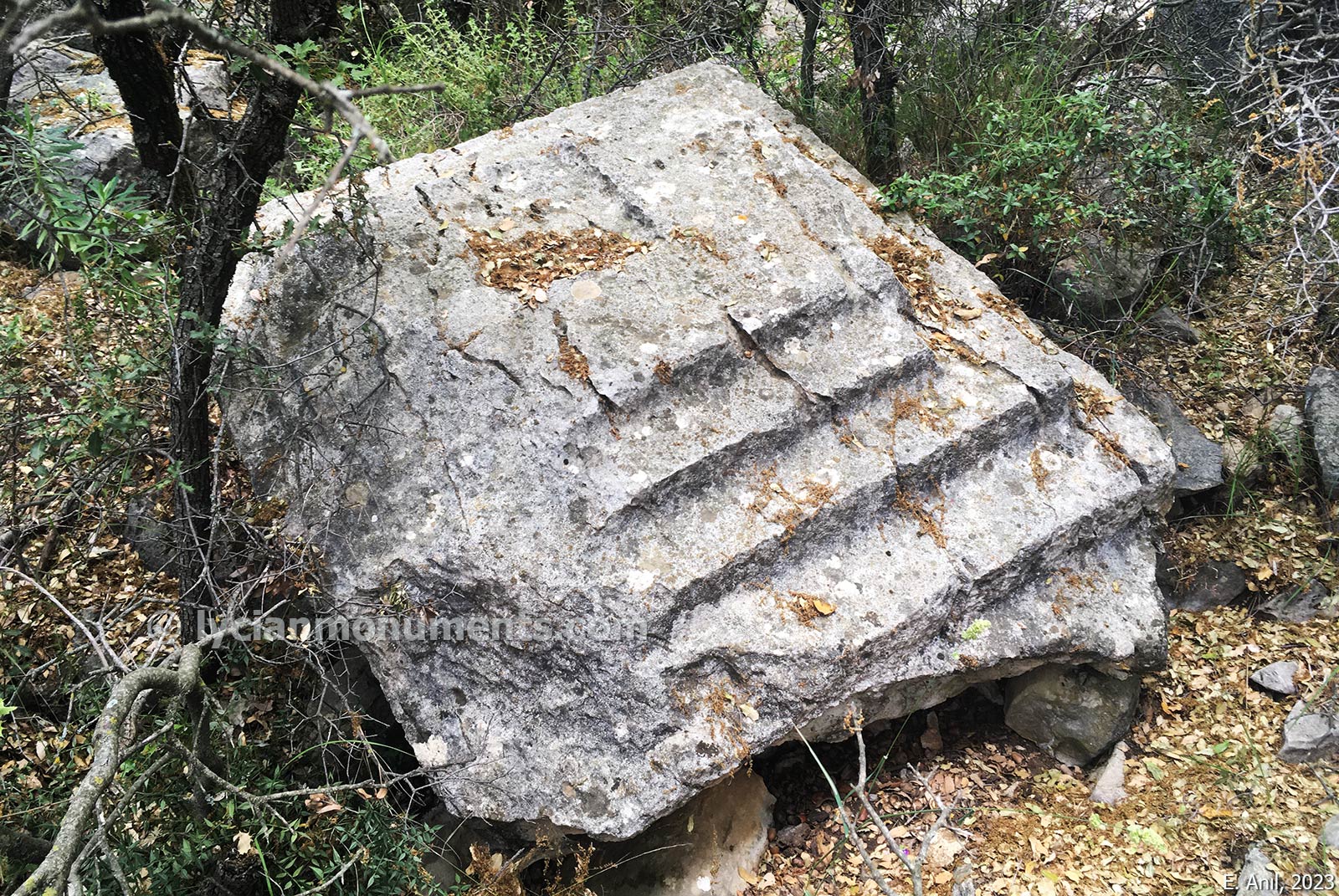
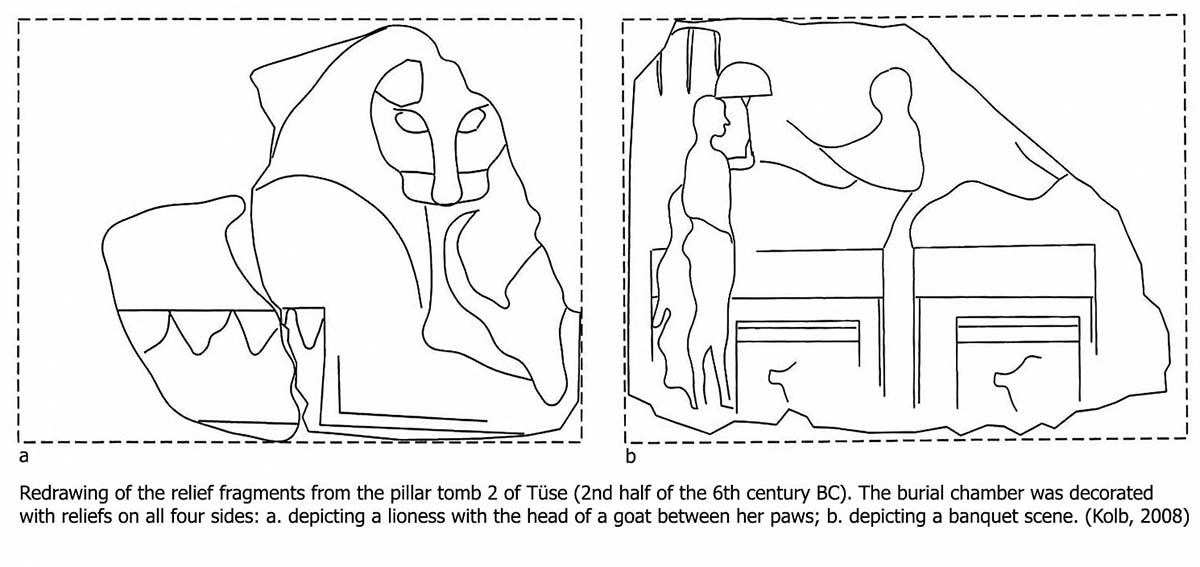
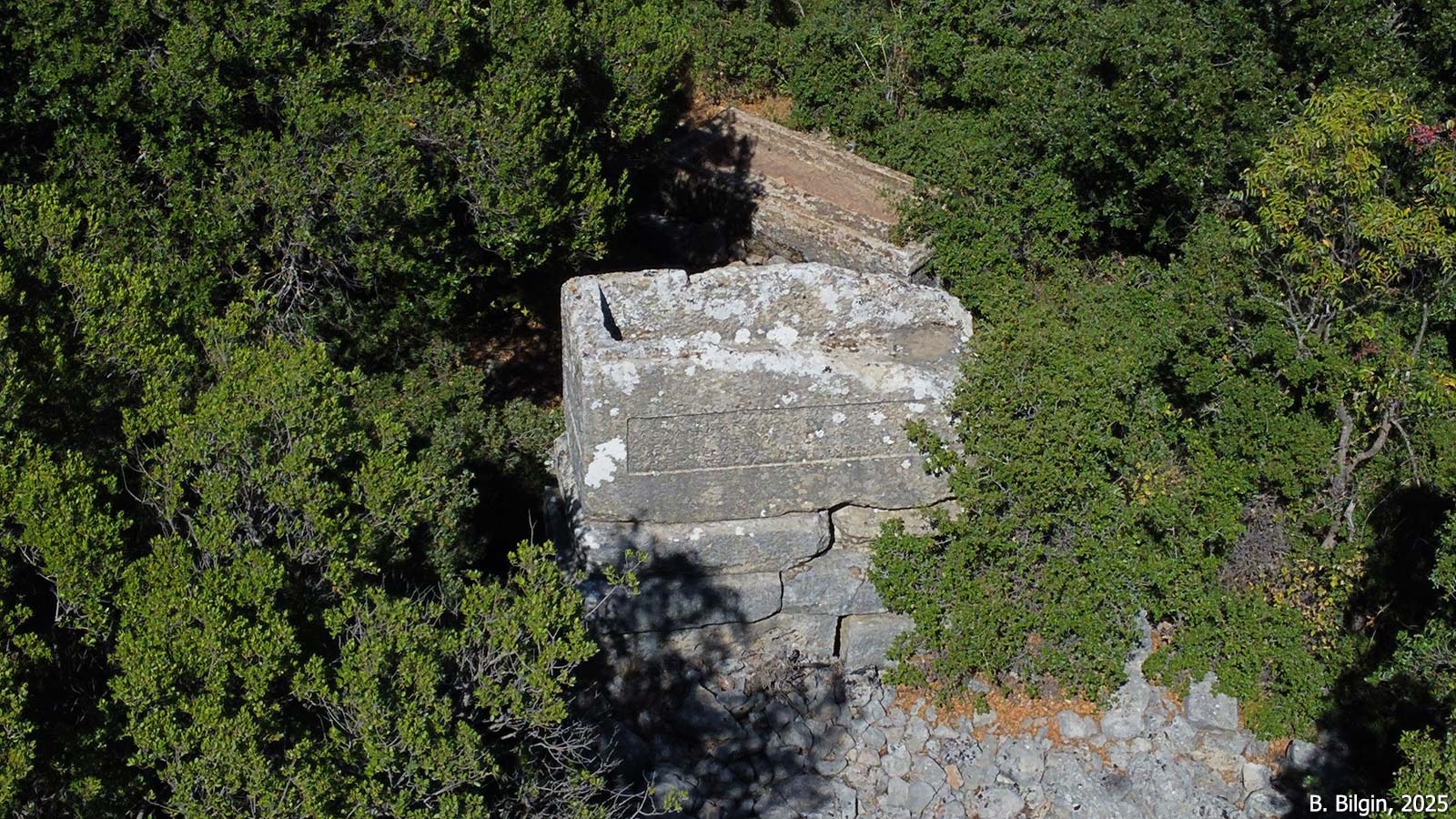
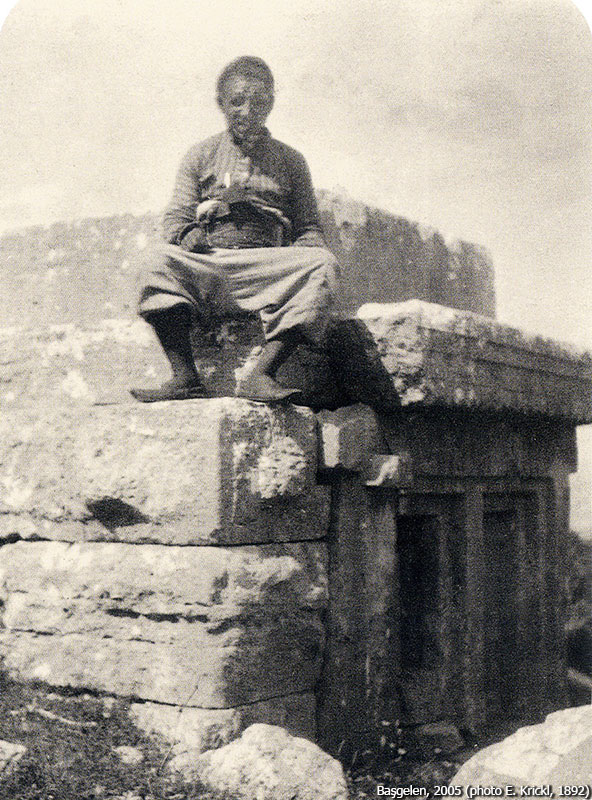
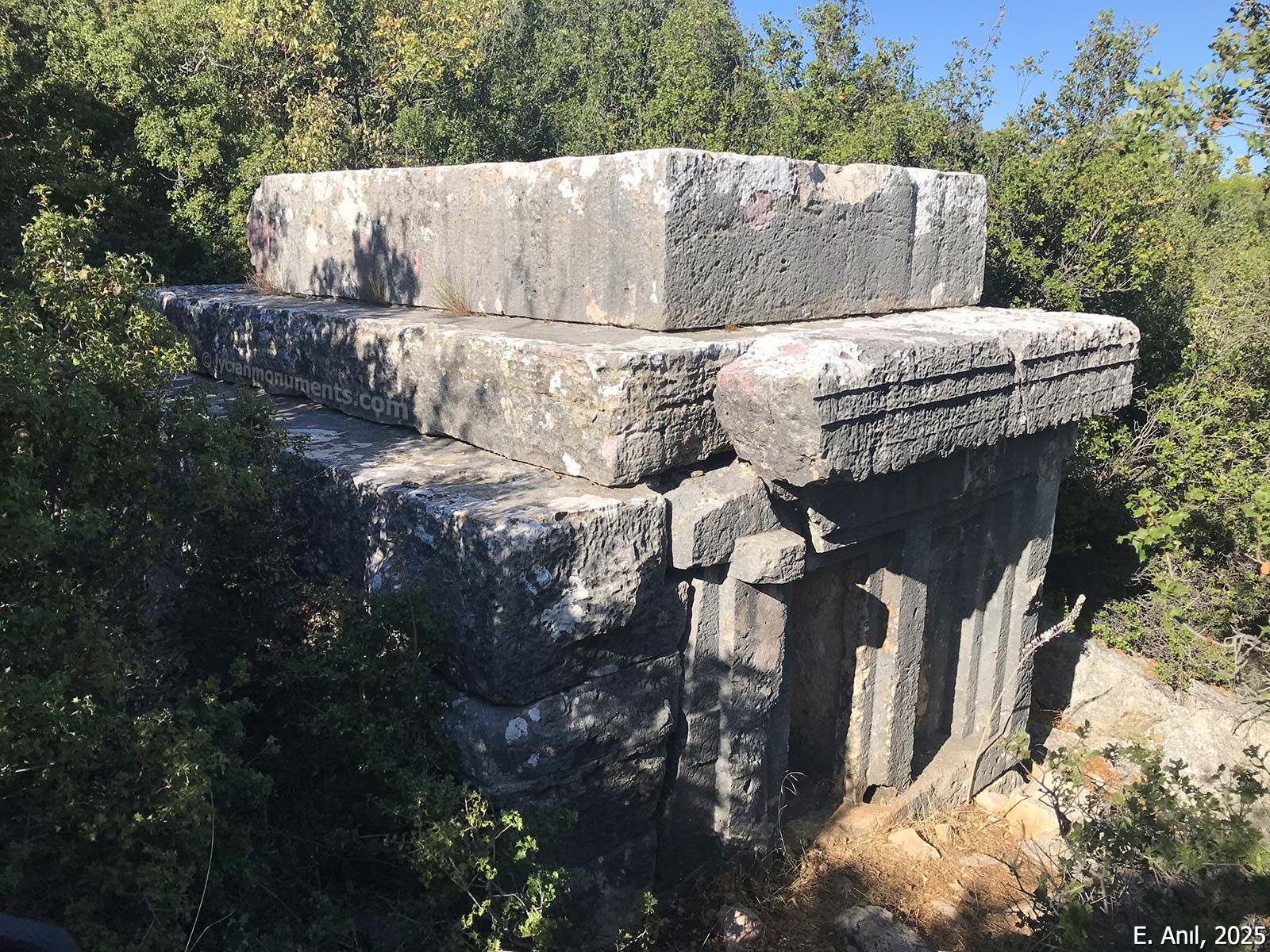
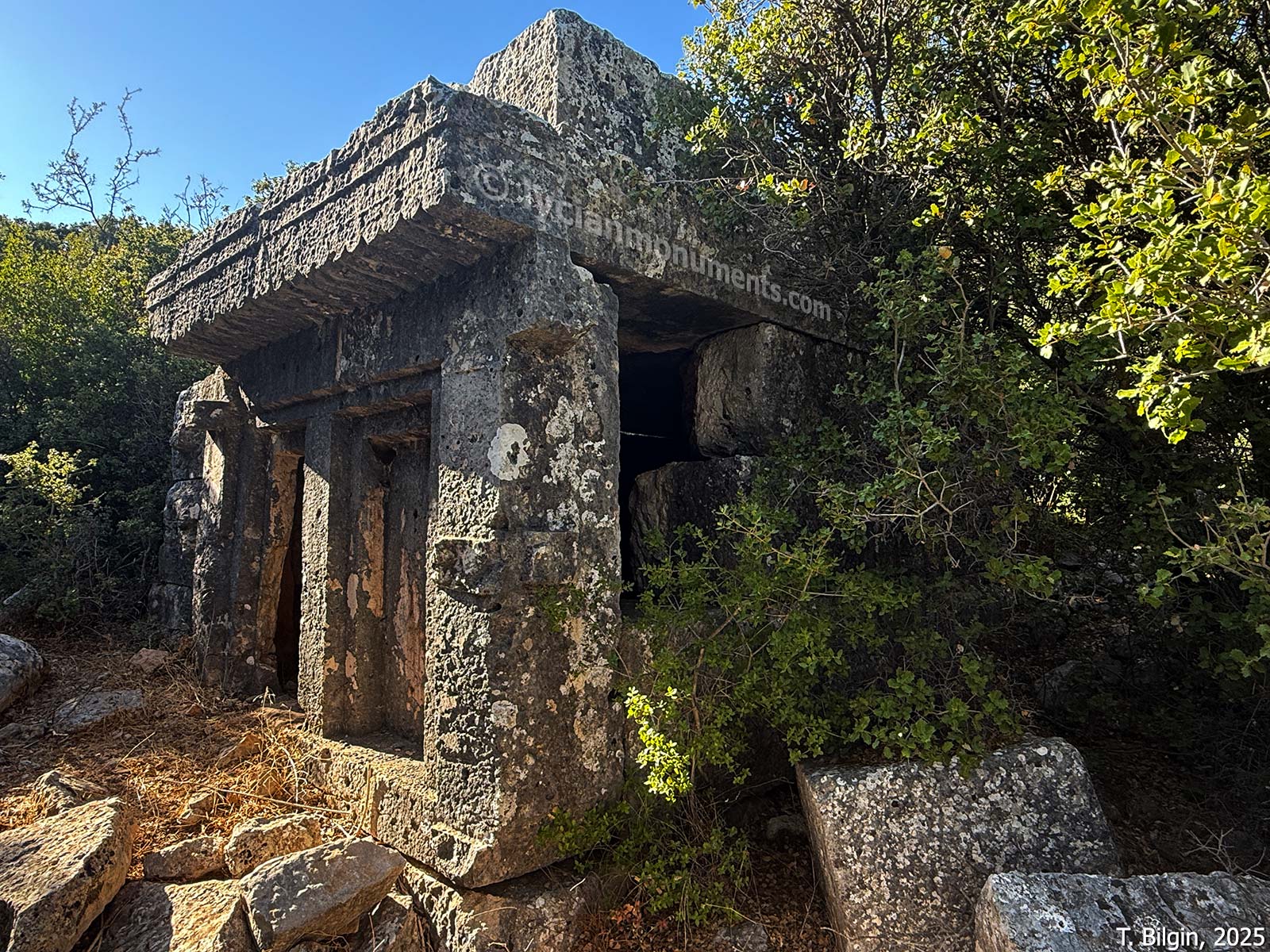
Finds from the acropolis indicate occupation as early as the Archaic period. The Hellenistic and later settlement was largely situated on the slopes of the acropolis hill, now known as Düzkale Tepe. The fortress at the summit of the acropolis dates to the Dynastic period. Today, much of the site is covered by forest, with only the bastions at the highest point of the acropolis clearly visible. Apart from the city walls, tombs, and cisterns, the functions of other structures remain uncertain. A variety of tomb types can be observed in and around the settlement, including tumuli, pillar tombs, rock-cut tombs, sarcophagi, and chamber tombs. Some tombs bear Lycian inscriptions. Two pillar tombs and a heroon on the southern slope of the acropolis are dated to the early Dynastic period (second half of the 6th century BCE). The remains of a structure on the western side of the acropolis have been identified by Kolb as a temple dating to the Dynastic period.
References:
Başgelen, N. (ed.) 2005. Lycian Journal 1892 – Ernst Krickl, Archaeology and Art Publication, İstanbul.
Çevik, N. 2021. Lykia Kitabı: Arkeolojisi, Tarihi ve Kültürüyle Batı Antalya, Türk Tarih Kurumu, Ankara.
Hülden, O. 2006. Gräber und Grabtypen im Bergland von Yavu (Zentrallykien): Studien zur antiken Grabkultur in Lykien, Teil I, Habelt, Bonn.
Kolb, F. 2008. Burg – Polis – Bischofssitz. Geschichte der Siedlungskammer von Kyaneai in der Südwesttürkei, Mainz.
Images:
N. Başgelen, 2005
O. Hülden, 2006
F. Kolb, 2008
Reha Özer, 2023
Ertuğrul Anıl, 2023, 2025
Bora Bilgin, 2023, 2025
Tayfun Bilgin, 2025