
Gürses is a fortress settlement dating to the Dynastic period, located on a hill just north of the present-day village of Gürses, approximately 6 km northwest of Myra. It was first documented by Petersen and von Luschan in 1889. Although no inscription confirming its ancient name has been discovered, Borchhardt has proposed that the site may correspond to Trabendai, a settlement mentioned in ancient sources. Despite minting coins for the Lycian League during the Hellenistic period, the settlement remained politically affiliated with Myra. It continued to be occupied until the Byzantine period.
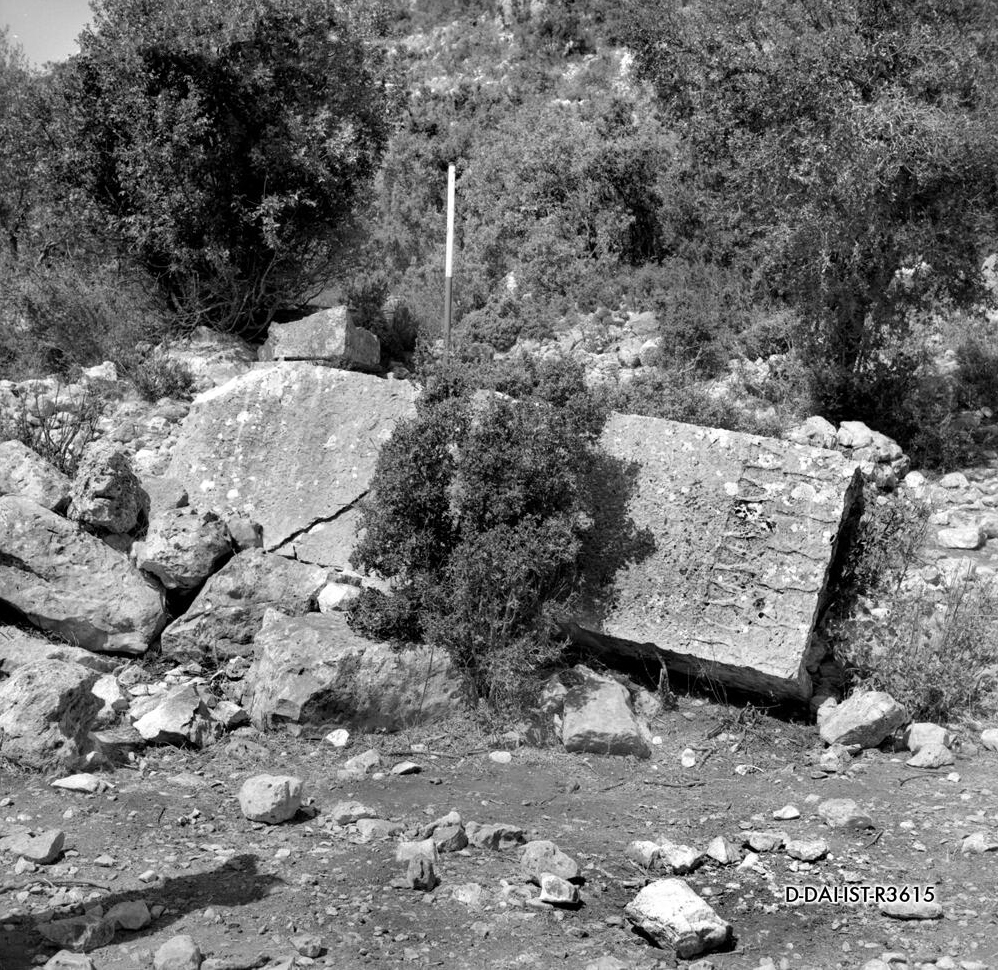
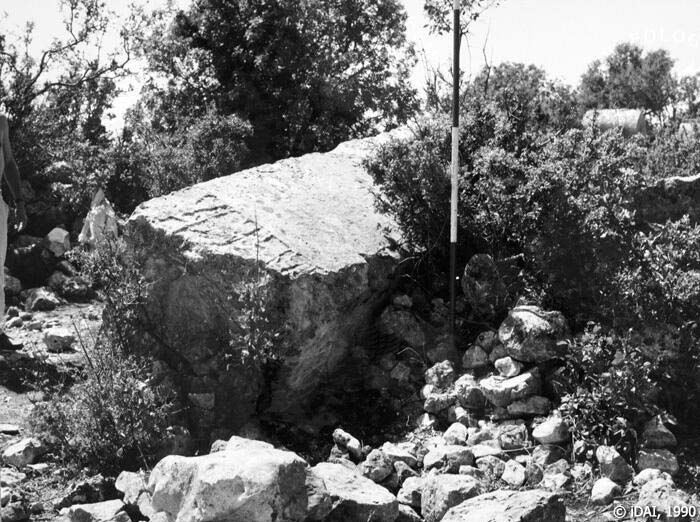
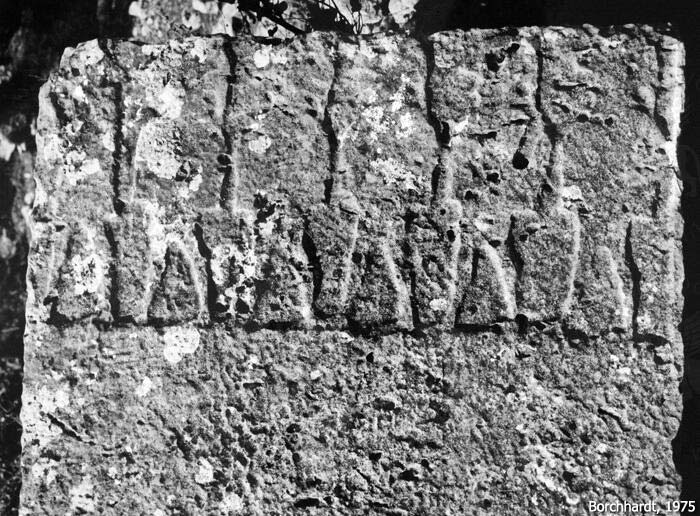
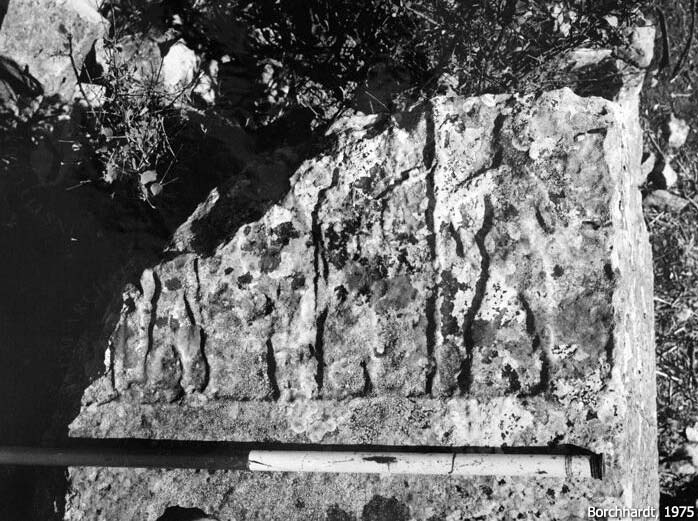
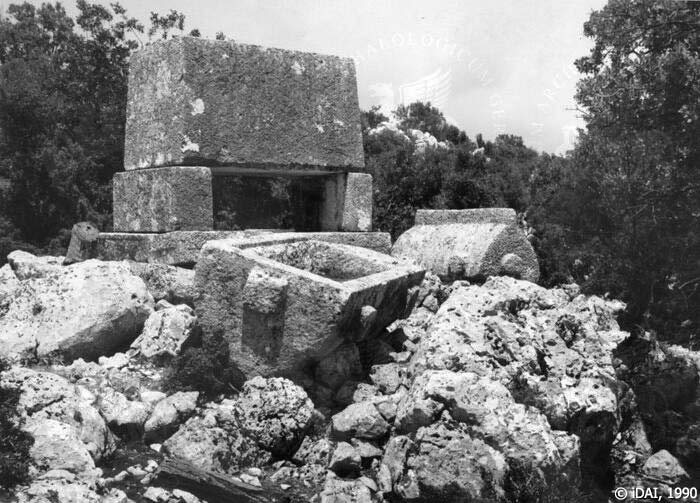
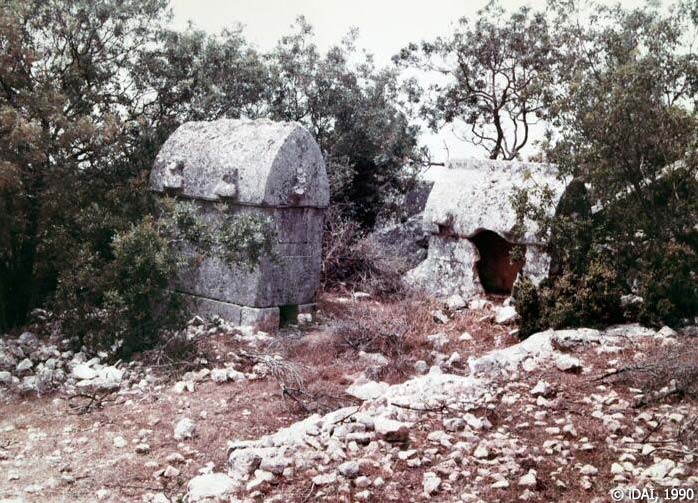
The fortress was constructed on a ridge oriented roughly east–west. Structural remains, including rock-cut chambers, are preserved on terraced slopes along the southern side. The necropolis lies on the plain south of the ridge and contains a range of burial types dating from the 6th century BCE to the 4th century CE. Most of the sarcophagi belong to the Roman period. Nearby, fragments of a Dynastic-period pillar tomb have been identified; its funerary enclosure is decorated with reliefs comparable to those of Trysa. Only a single rock-cut tomb with a Classical Lycian façade has been documented along the ancient road leading to the settlement.


References:
Borchhardt, J. 1975. Myra – Eine lykische Metropole in antiker und byzantinischer Zeit, 1st Forsch 30, Berlin.
Çevik, N. 2021. Lykia Kitabı: Arkeolojisi, Tarihi ve Kültürüyle Batı Antalya, Türk Tarih Kurumu, Ankara.
Marksteiner, T. 1997. Die befestigte Siedlung von Limyra, Forschungen in Limyra 1, Vienna.
Wurster, W. W. 1993. “Dynast ohne Palast – Überlegungen zum Wohnbereich lykischer Feudalherren,” in Akten Lykien II Bd. 2, 27–30.
Images:
iDAI, 1970, 1990
J. Borchhardt, 1975
W. W. Wurster, 1993