
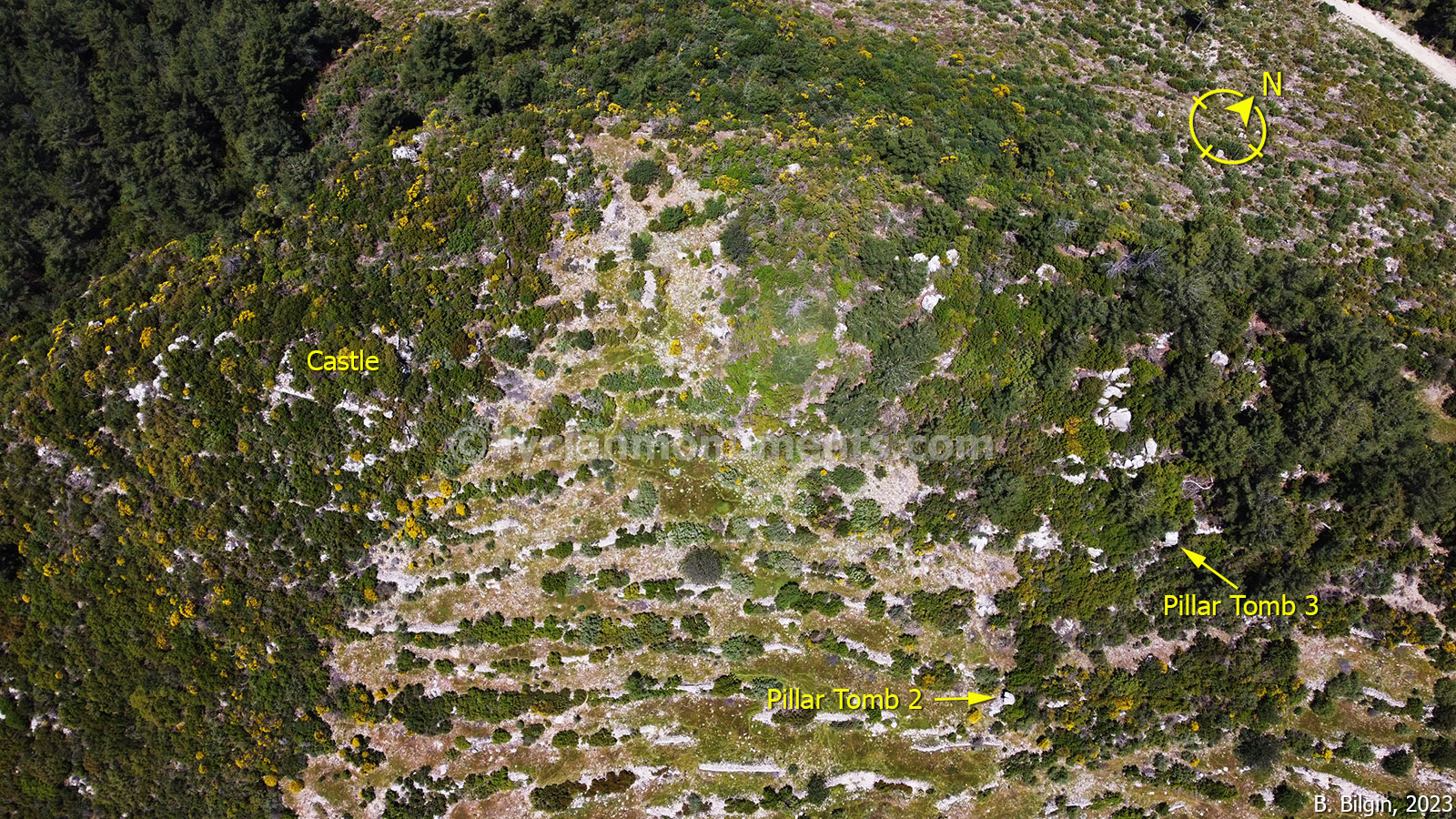
The city of Kerththi is located on the south-facing slope of a hill east of Hacıoğlan village, beneath which flows the Felen Stream. Today, the site is known as Asaraltı. Based on the Inscribed Monument from Xanthos, where the city’s name appears in Lycian, Borchhardt and his colleagues identified this location as Kerththi. The settlement dates to the dynastic period.
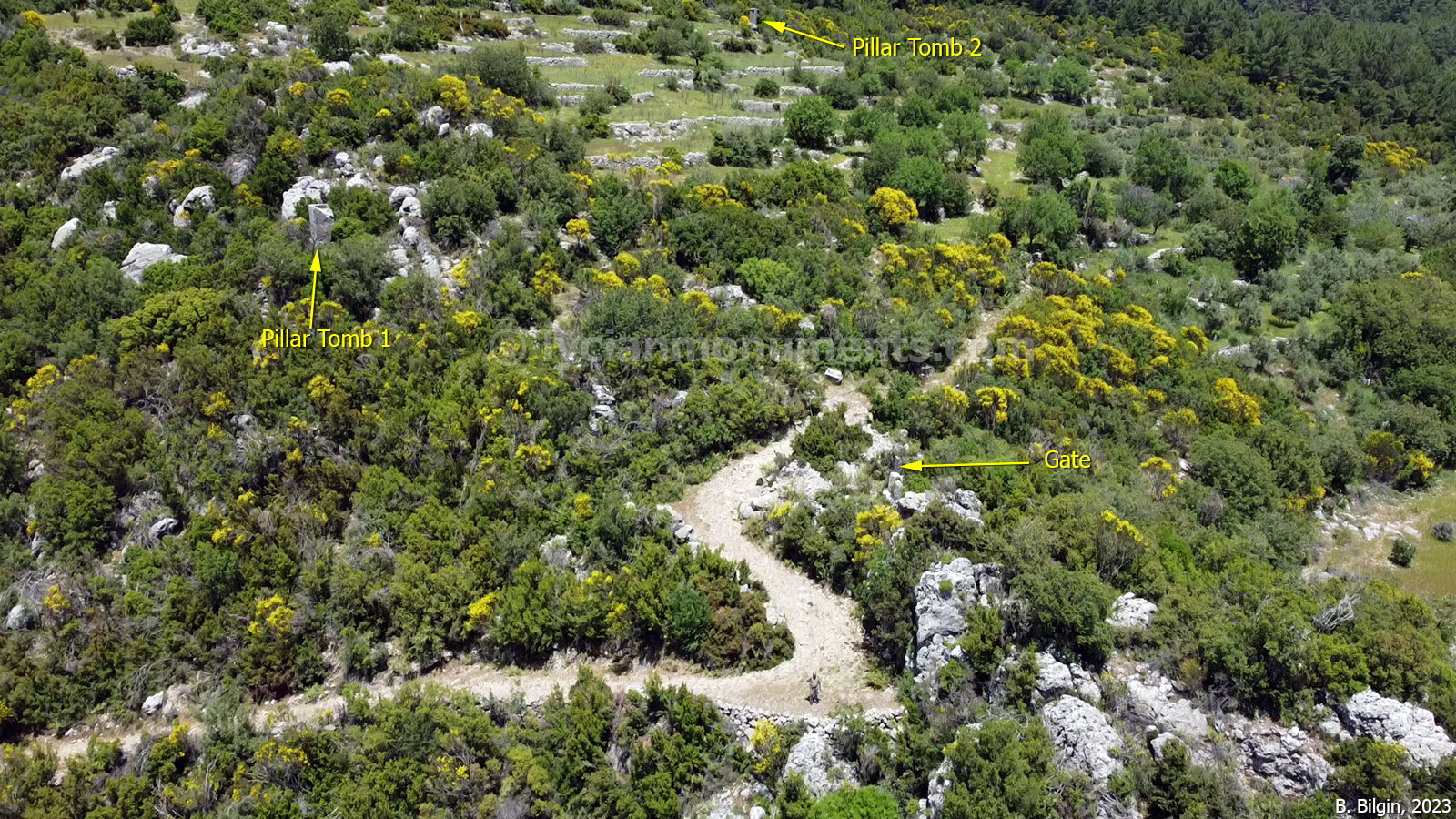
The remains of the fortification walls indicate that the slope was divided into two sections, forming an upper and a lower city. At the summit of the hill, in addition to a fortified structure and tombs, a square, multi-roomed building has been identified, although its function remains unclear.
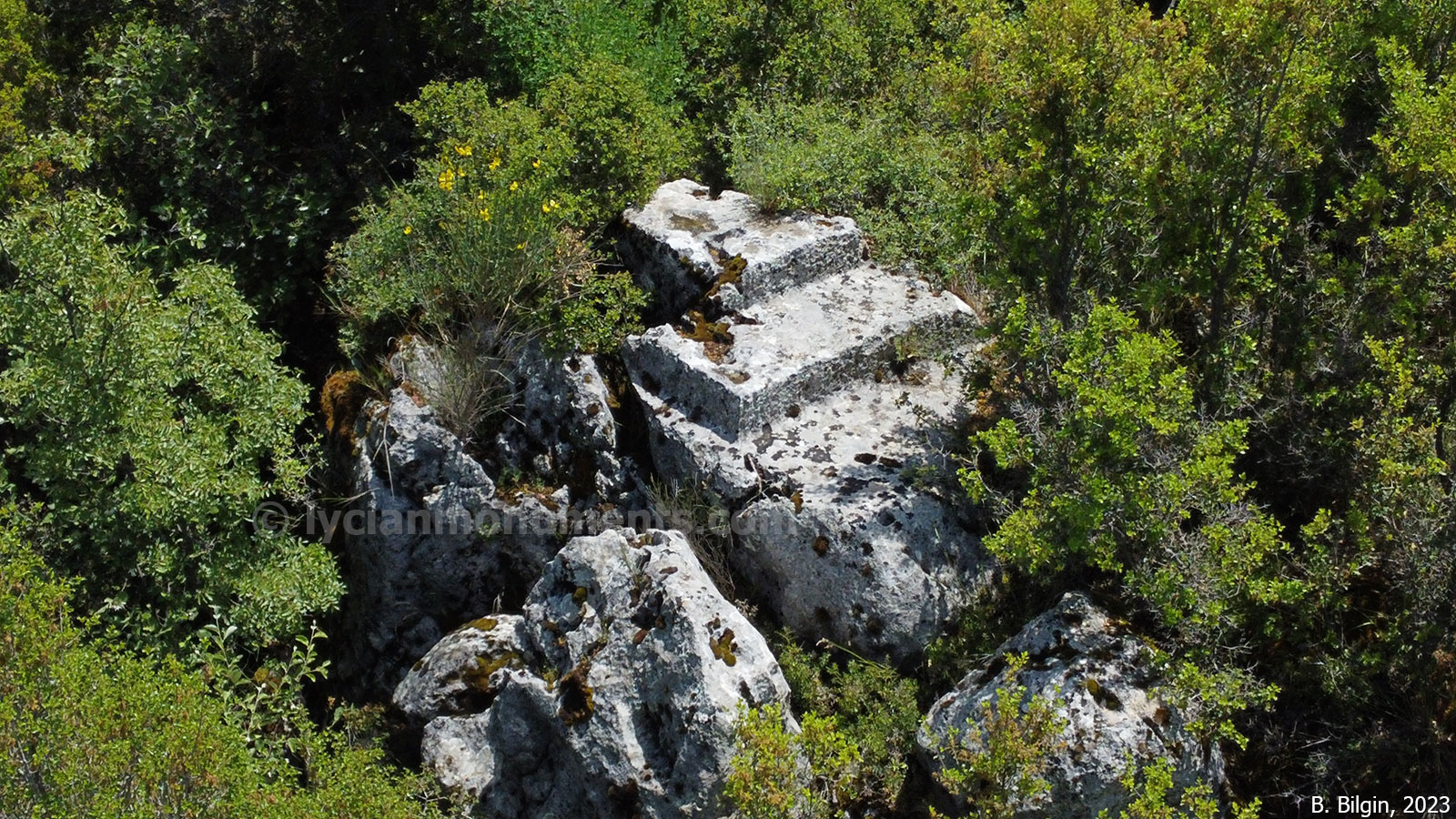
The Inscribed Monument from Xanthos, which preserves the name of the city, also mentions an altar dedicated to the Lycian goddess Pedrita. Borchhardt suggests that a stepped base carved into the rock, located to the south of the city’s western gate, may be associated with this altar.
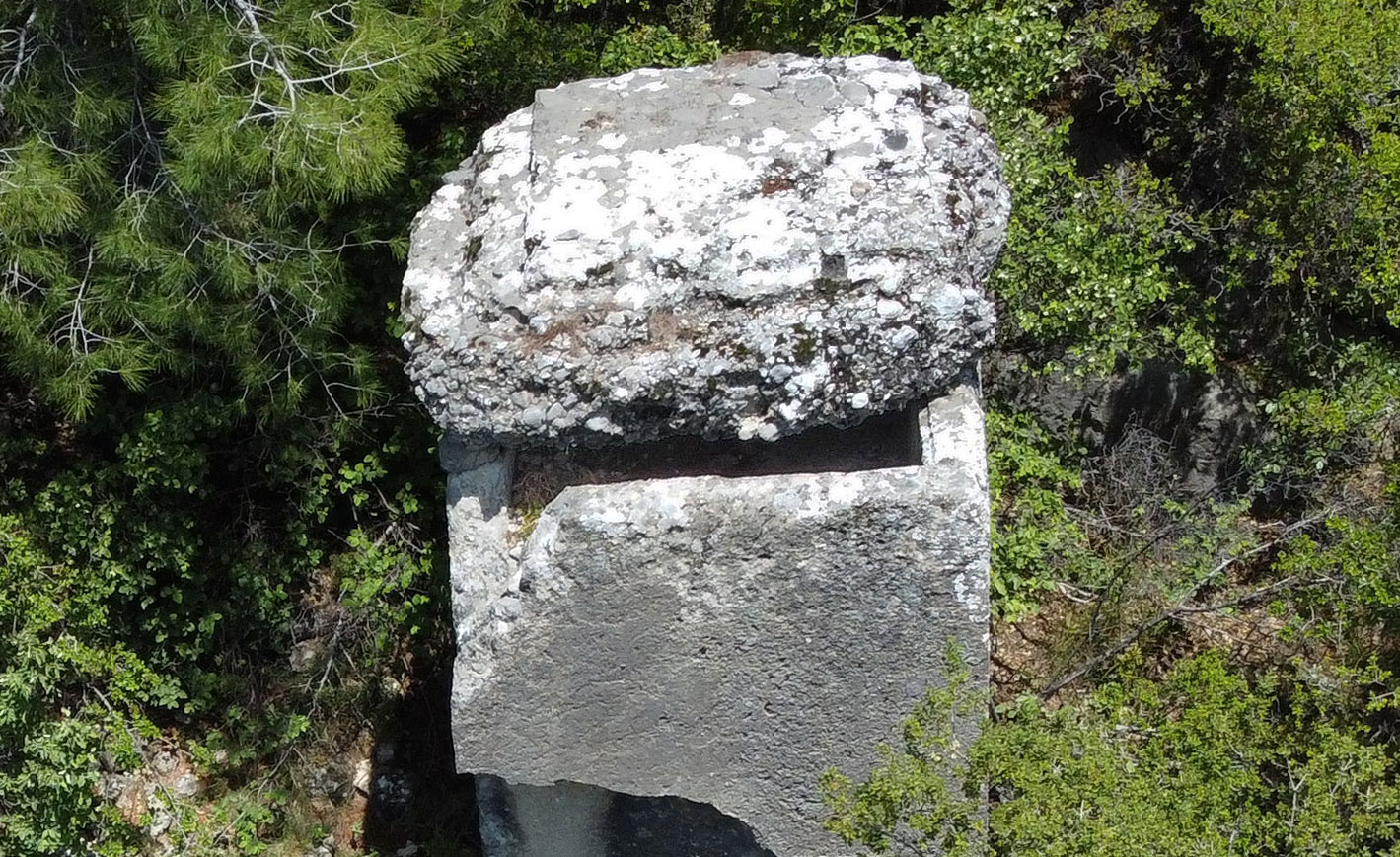
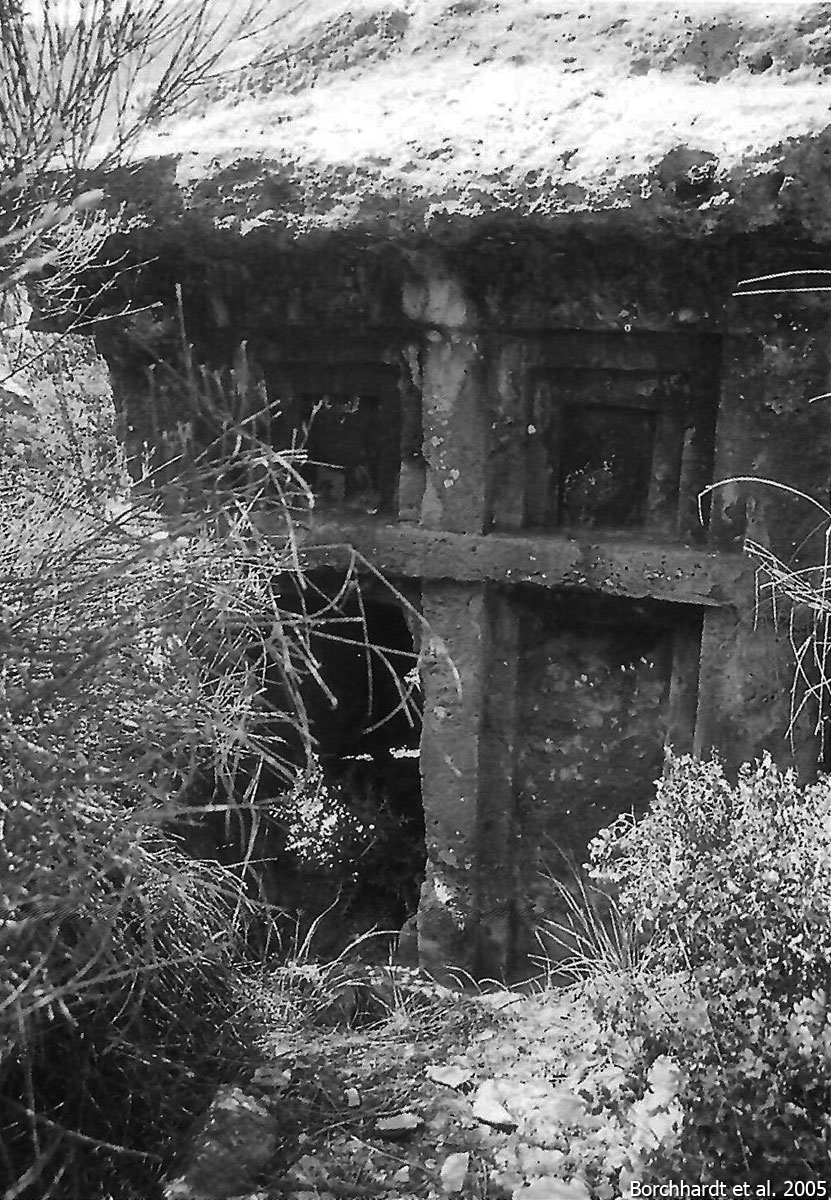
In addition to five pillar tombs—interpreted by Borchhardt as cenotaphs—the site also contains several rock-cut tombs and sarcophagi.






References:
Borchhardt, J., H. Eichner & K. Schulz. 2005. KERTHTHI oder der Versuch, eine antike Siedlung der Klassik in Zentrallykien zu identifizieren, Adalya Supp. Series 3, Antalya.
Çevik, N. 2021. Lykia Kitabı: Arkeolojisi, Tarihi ve Kültürüyle Batı Antalya, Türk Tarih Kurumu, Ankara.
Deltour-Levie, C. 1982. Les Piliers Funéraires de Lycie, Louvain-la-Neuve.
Images:
Deltour-Levie, 1982
J. Borchhardt et al., 2005
Ertuğrul Anıl, 2023
Bora Bilgin, 2023, 2025
Reha Özer, 2023